Introduction to Local Drinks to Try in Nepal
Somewhere in the hills of eastern Nepal, a wooden vessel arrives at the table with steam rising from it. Inside is fermented millet, and a thin straw sits in the mixture. A host pours in hot water, tells you to wait a minute, and then asks you to sip slowly. That is tongba, and for many travellers it’s the first time they realise Nepal’s drinking culture is a world of its own.
The best local drinks to try in Nepal are not just beverages. They’re tied to communities, festivals and the way guests are welcomed. A milky rice beer served at a Newar feast, a clear distilled spirit offered to the gods before it’s offered to you, a hot millet brew sipped through a straw on a cold evening: each one tells you something about where you are.
And in the last few years, a second story has joined the first. Kathmandu’s cocktail bars have started building drinks around Nepali flavours, and the results have drawn international attention.
This guide covers both. You’ll find what each drink is, what it tastes like, how to approach it, where to find it and how to enjoy it safely, whether you’re staying in Thamel for a weekend or planning a longer trip.
The Quick Reference
Drink | What it is | Feel and strength | Good for |
|---|---|---|---|
Chhyang (chhaang, jaand, thon) | Fermented grain beer, usually rice | Cloudy, mildly sour and sweet, gentle | First-timers, festive meals |
Tongba | Hot fermented millet, sipped through a straw | Warm, mellow, easy to underestimate | Cold evenings, a slow sit-down |
Raksi | Distilled spirit from millet, rice, barley, wheat or corn | Strong, with a burn that smooths out | Small measured tastes |
Aila | The Newar name for home-distilled raksi, usually rice-based | Clear, strong, ceremonial | Newar feasts and festivals |
Khukri Rum | Nepal’s best-known commercial rum | Dark, spiced and widely available | Easy sipping or mixing |
Gorkha Beer | A pale lager launched in 2006 | Light, about 5% ABV | An easy drink with spicy food |
Nepali cocktails | Modern drinks using local ingredients | Varies by bar | An evening in Kathmandu |
Before You Sip: A Few Ground Rules
A little preparation makes the whole experience better.
Age and ID. The legal age to buy and drink alcohol in Nepal is 18, and licensed venues check ID. If you’re heading to a nightclub, carry your original photo ID. For the legal picture, including election-period bans and drink-driving rules, read our guide to Nepal alcohol laws.
Stick to licensed venues for homemade drinks. Traditional drinks are often home-brewed or home-distilled, and quality varies. Drink them where they are served openly by people who make them regularly, such as established restaurants and bars, rather than from unlabelled bottles or unknown sources.
Go slowly. Traditional drinks can be much stronger than they taste. Start with a small amount.
Don’t drink in public places. Drinking on streets, in parks and on public transport is prohibited, so enjoy these in venues.
Don’t drive. Kathmandu traffic police apply a zero-tolerance approach to drink-driving. Arrange your ride home first.
Chhyang: The Gentle Starting Point
Chhyang, also spelled chhaang or chang, is a traditional Himalayan beer made by fermenting grain. It’s most often made from rice, though barley and millet versions exist, and the fermentation depends on a traditional starter called murcha (or marcha). Newars call it thon, and in some places it’s known as jaand.
What it looks and tastes like: milky or cloudy, mildly sour, slightly sweet and refreshing. It’s lower in strength than raksi or aila, which makes it the easiest traditional drink for a first-timer.
How it’s served: strained and poured into a mug, bowl or glass. It’s often drunk at room temperature in warm weather, and served warm in cold weather.
Where it fits: festivals, family gatherings and communal feasts, particularly among the Newar, Tamang, Sherpa, Gurung, Rai and Limbu communities.
Our advice: if you want one traditional drink that won’t overwhelm you, this is it.
Tongba: The Drink You Sip Slowly
Tongba is the most recognisable of Nepal’s traditional drinks, and it belongs to the Limbu and Rai communities of eastern Nepal. Unlike most drinks, it isn’t poured. Fermented millet is placed in a wooden or bamboo vessel, which is also called a tongba, and hot water is added. You drink the liquid through a thin straw, then top up with more hot water as you go. Locals pronounce it roughly “tum-baa.”
What it tastes like: warm, earthy and gently sweet-sour, with a mellow, comforting character.
Why people underestimate it: it’s hot, easy to sip and slow, so it can sneak up on you. Take it at a relaxed pace, and don’t treat it as a soft drink.
How to enjoy it:
Let the first pour steep for a minute before you sip.
Refill the water gradually rather than all at once.
Stir lightly and keep the straw clear of the grains.
Pair it with food. In Limbu and Kirati traditions, tongba and raksi are served alongside sekuwa, grilled pieces of pork, water buffalo or goat.
Best moment: a cold evening, a long table and no rush.
Raksi: The Spirit with a Burn
Raksi is a traditional distilled drink, made by distilling fermented grain. It’s a widely consumed Nepali spirit, and the word has become a general term for local liquor. Originally it often meant a spirit made from kodo (millet), but today raksi can also be made from rice, barley, wheat or corn.
What it tastes like: strong on the nose, with a burn that gives way to a smoother, warmer finish. Some drinkers compare it to sake or soju, but raksi is generally stronger.
How strong is it? It varies by batch, region and how it was distilled. Some guides say it can reach the proof of whiskey, so treat every pour as strong.
A famous mention: raksi has appeared on a CNN list of the world’s most delicious drinks, which put Nepali spirits on many travellers’ radar. You can read more in the Raksi entry on Wikipedia.
How to approach it: take a small amount, drink it slowly and have food alongside. If your host is serving it warm, that’s traditional too.
Aila: The Newar Spirit
Aila is the Newar name for raksi, and it’s closely tied to the culture of the Kathmandu Valley. It’s usually made from fermented rice, grains or millet, and traditionally distilled in clay and copper vessels. It’s a clear, strong spirit, and it plays a role in religious and cultural life: before a festival or ceremony, aila is typically offered to the gods first and then served to the people.
What it tastes like: earthy and sharp, with a distinctive character. Many describe aila as smoother when it’s rice-based than millet-based versions of raksi.
Where you’ll meet it: Newar feasts, festivals such as Indra Jatra, traditional taverns and Newar restaurants. Most aila is still produced at home, though a few brands now bottle it for wider sale.
A modern twist: aila has also moved into the cocktail world. Some Kathmandu bars infuse it with local spices and use it in sours and punches, which we’ll get to below.
Khukri Rum and Nepali Beer: The Everyday Classics
Not everything in Nepal’s drinking culture is traditional or homemade. A few commercial drinks are as much a part of the landscape.
Khukri Rum. Produced in Kathmandu by The Nepal Distilleries Private Limited, Khukri Rum has been made since 1959 and is available across Nepal. The line includes Khukri XXX Rum, Coronation Khukri XXX Rum, Khukri White Rum and Khukri Spiced Rum. It’s widely drunk with cola or neat, and it’s popular with trekkers and travellers.
Gorkha Beer. A pale lager launched in May 2006 and brewed by Gorkha Brewery, which was established in 1989. It’s listed at 5.0% alcohol by volume and is among the most widely available Nepali beers.
Other beers. Nepal Ice and Everest are also popular local names, and international brands such as Tuborg are widely sold. Craft beer has also begun to appear.
These drinks are easy to find at bars, restaurants and shops, and they make a good low-risk way to taste something Nepali.
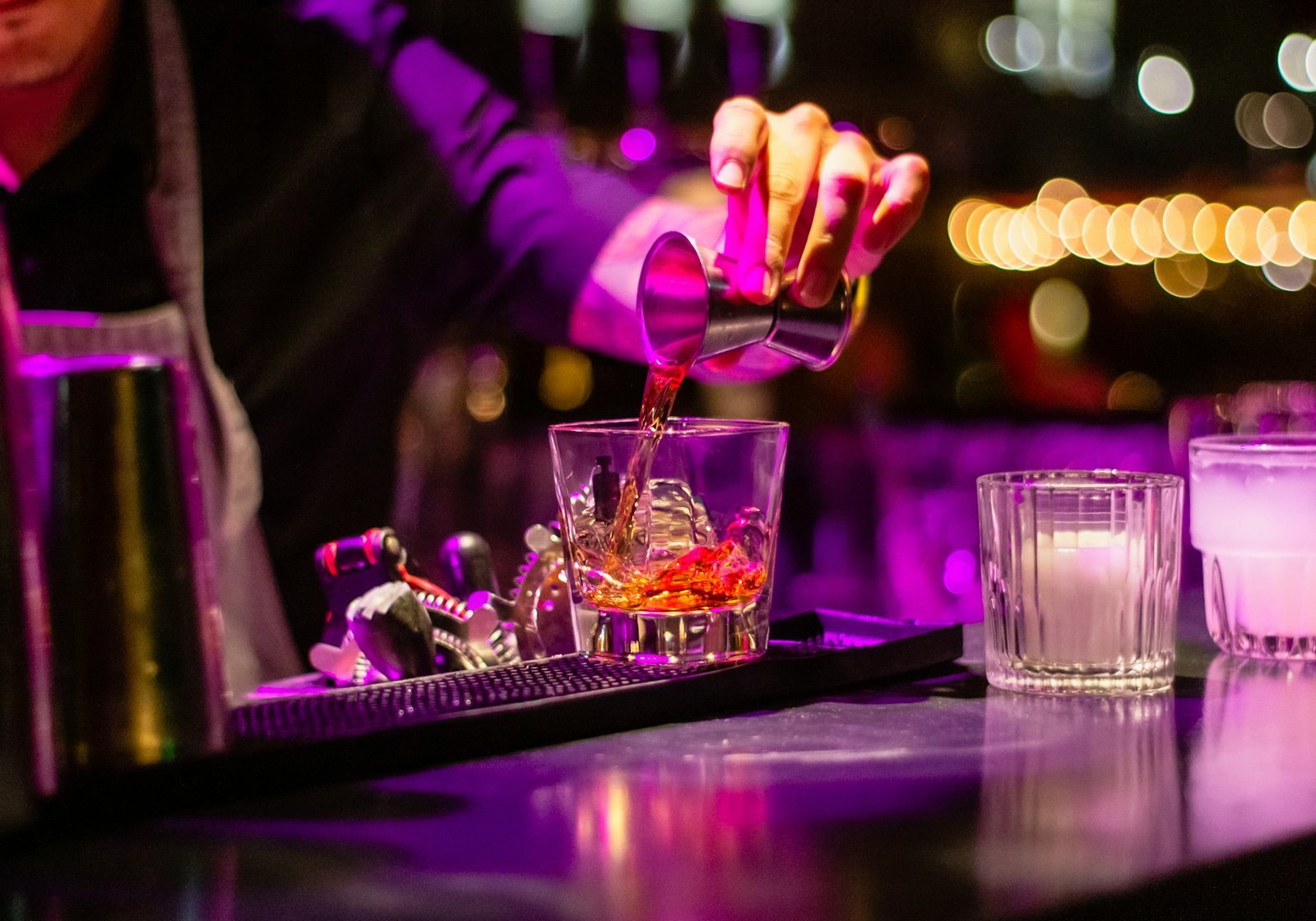
Nepali Cocktails: The New Chapter
Here’s where Nepal’s drinking story gets surprising. In 2021, a handful of cocktail bars opened in Kathmandu, including Barc, BlackBird and Bitters & Co. Together they started building a cocktail culture around Nepali ingredients, and the world noticed.
Barc is a speakeasy in Kathmandu’s Bluestar Complex, in Tripureshwar. It became the first Nepali bar to enter Asia’s 50 Best Bars, at No. 39 in 2024, climbed to No. 35 in 2025 and won the Michter’s Art of Hospitality Award that year. In July 2026 it appeared at No. 61 on the extended 51–100 list. You can see its profile on the Asia’s 50 Best Bars page for Barc.
What sets Barc apart is its use of local flavours. Its menu is organised by local ingredients, such as titaura (a tangy hog-plum snack), khattu (liquorice) and aila. The signature Bloody Nepali is a mix of vodka, Barc’s titaura mix and sugar, served in a martini glass. The bar has also championed Ilam tea and local spices.
BlackBird and Bitters & Co. both appeared on Asia’s 50 Best Bars extended list in earlier years, and both helped lay the foundation for the scene.
Why it matters for you: a cocktail built around titaura, aila or timur pepper is something you can’t have in quite the same way anywhere else. If you want a Nepali drink with a modern twist, it’s worth a dedicated evening.
For a full rundown of where to go, see our guide to the best cocktail bar in Kathmandu.
Where to Try Each One
Different drinks suit different settings.
Drink | Where to look |
|---|---|
Chhyang and aila | Newar restaurants and traditional taverns, especially around festivals |
Tongba | Nepali and Himalayan restaurants, and eastern-hills eateries. Ask before you go |
Raksi | Traditional restaurants and some bars that serve local spirits |
Khukri Rum and local beer | Almost any bar, restaurant or shop |
Nepali cocktails | Cocktail bars such as Barc, BlackBird and Bitters & Co. |
A practical tip: menus and availability change, so call ahead if you’re travelling a distance for one specific drink.
If you want to combine a drink with a view, our guide to Kathmandu rooftop bars covers sunset spots in Thamel.
A Simple Tasting Plan
If you want to try several, order them in a sensible sequence, from gentlest to strongest.
Start with chhyang. It’s mild and refreshing, so it won’t overwhelm your palate.
Move to tongba. Sip slowly, with food.
Try a small taste of raksi or aila. A small pour is enough.
Finish with a Nepali cocktail or Khukri Rum. Something familiar to round off the night.
Keep water on the table throughout, and eat between rounds.
What to Eat With Them
Food slows the pace and improves the flavours.
Grilled meat (sekuwa) is a classic partner for tongba and raksi in Limbu and Kirati tradition.
Momos are a natural match for beer, rum or a light cocktail.
Spicy dishes pair well with lagers such as Gorkha.
Snacks like titaura show up in cocktails too, so you may meet them twice.
Eat before you go out, and don’t treat food as optional.
Pacing, Safety and Getting Home
Because traditional drinks can be strong and deceptive, a few habits matter.
Take small measures. Traditional spirits are stronger than they look.
Alternate with water. Always.
Don’t mix too many styles. Beer, raksi, rum and cocktails in one evening is a recipe for a hard morning.
Keep your drink in sight in busy venues.
Plan your ride home before the first sip. Pre-book a taxi or ride app, or share a ride with your group.
Know the law. Election-period alcohol bans, closing times and public-drinking rules all apply. Our Nepal alcohol laws guide explains them.
For wider practical tips, our Kathmandu nightlife guide for tourists covers the rest.
Not Drinking? There’s Still Plenty to Try
Nepal’s drink culture goes beyond alcohol.
Chiya is the spiced milk tea served across Nepal, often made with cardamom and cloves.
Butter tea (su cha or po cha) is a salty Himalayan tea made with tea leaves, butter and salt.
Mocktails have grown alongside the cocktail scene, with many bars offering local-ingredient versions.
If you’re travelling in a group where some people don’t drink, these are a good way to share the experience.
Where Club Nova Fits In
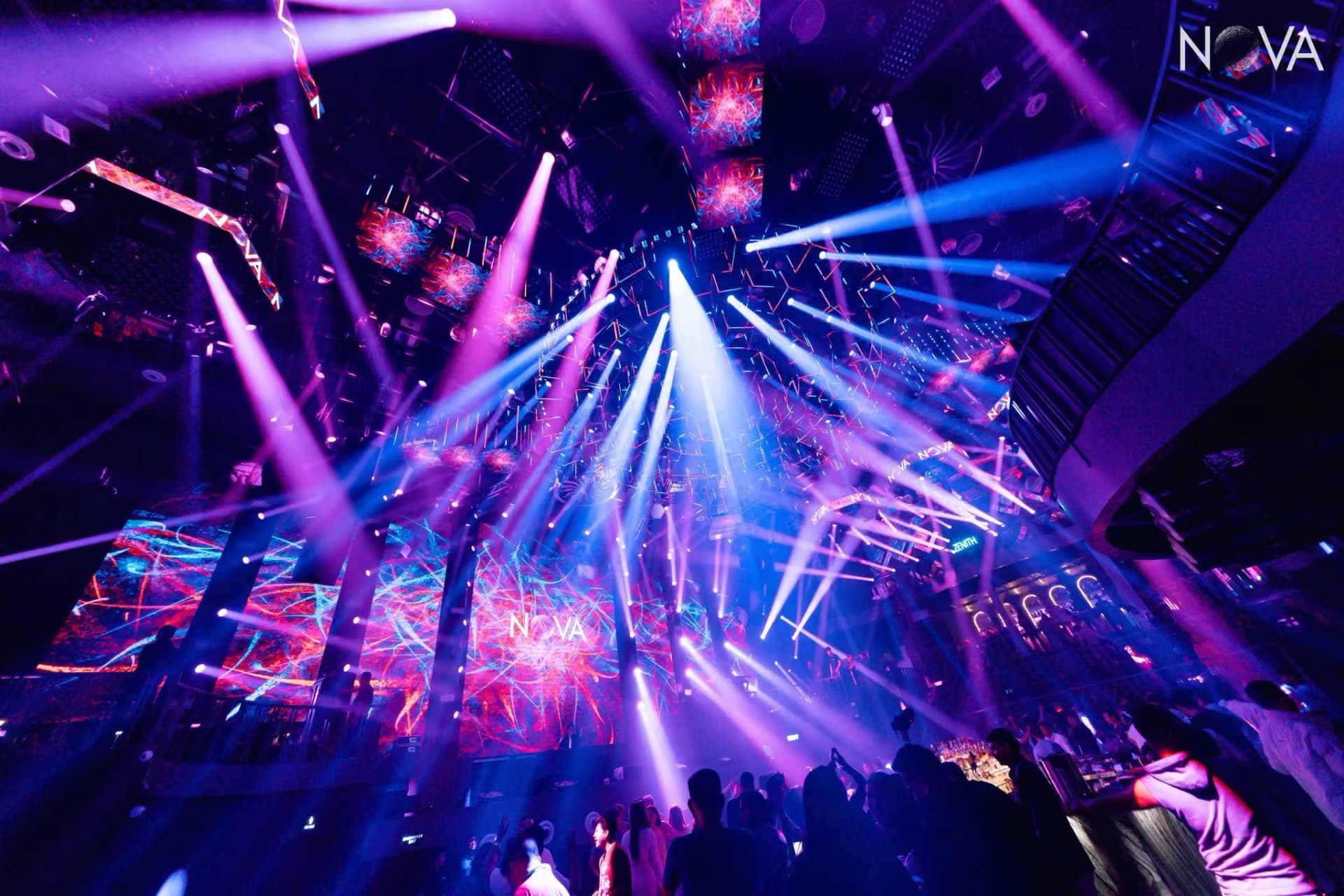
Club Nova isn’t a place to learn about village brews. It’s where you take a good evening onwards. After a rooftop sunset or a cocktail bar, it’s a short walk to the biggest nightclub in Nepal, on Chaksibari Marg in Thamel-16, with space for up to 2,500 guests across four levels.
The bar: the menu includes cocktails alongside spirits, beer, wine and mocktails. If you’re curious about Nepali-made options, ask the bar team what’s available on the night.
The music: the venue’s sound leans heavily toward hip-hop and EDM, mixed by resident DJs. See our guide to hip-hop nights in Kathmandu for how those nights feel.
The hours: the venue lists its hours as 9 PM to 5 AM daily, so confirm the current hours with the team.
The door: strictly 18+, with original photo ID. Dress code is smart, party-ready attire, with no slippers, flip-flops or sportswear.
Tables: for groups, Club Nova offers Elite, Privilege and Diamond tables on a minimum-spend basis. For the walkthrough, see our guide on how to book a VIP table at Club Nova.
Visiting during festival season? Our Dashain & Tihar party guide explains how those nights tend to run, and our guide to how much a night out costs in Kathmandu helps you plan a budget.
FAQs about Local Drinks to Try in Nepal
1. What are the best local drinks to try in Nepal?
Chhyang, tongba, raksi and aila are the traditional highlights. Khukri Rum and Nepali beers such as Gorkha are the easy commercial options, and Nepali cocktails are the modern addition.
2. What is raksi?
A traditional distilled spirit made from fermented grain, historically often millet (kodo) but also rice, barley, wheat or corn. It’s strong, with a burn that smooths out.
3. What is tongba and how do you drink it?
A hot fermented millet drink from eastern Nepal, served in a wooden or bamboo vessel. Hot water is added and the drink is sipped through a straw, with refills of hot water as you go.
4. What is chhyang?
A traditional Himalayan beer made from fermented grain, most often rice. It’s cloudy, mildly sour and sweet, and gentler than distilled spirits. It’s also called chhaang, jaand or, among Newars, thon.
5. What’s the difference between raksi and aila?
Aila is the Newar name for raksi, typically rice-based and closely tied to Newar festivals and ceremonies. Raksi is the broader term and can refer to spirits from several grains.
6. What is the strongest Nepali drink?
Traditional distilled spirits such as raksi and aila are generally the strongest, but strength varies by batch and producer, so treat every pour as strong.
7. What are the main Nepali beer brands?
Gorkha Beer, Nepal Ice and Everest are among the best known, and international brands such as Tuborg are also widely sold.
8. What is Khukri Rum?
A rum produced in Kathmandu by The Nepal Distilleries Private Limited since 1959. Varieties include Khukri XXX Rum, Coronation Khukri XXX Rum, Khukri White Rum and Khukri Spiced Rum.
9. Where can I try Nepali cocktails in Kathmandu?
Bars such as Barc, BlackBird and Bitters & Co. are known for drinks built around Nepali ingredients. Check opening hours before you go.
10. What is a Bloody Nepali?
Barc’s signature cocktail, served in a martini glass, made with vodka, Barc’s titaura mix and sugar.
11. Is homemade Nepali alcohol safe?
Quality varies, so drink traditional beverages at established, licensed venues rather than from unlabelled or unknown sources, and keep portions small.
12. What’s the legal age to try these drinks?
18. Carry original photo ID, as licensed venues check it.
13. Can I try local drinks at a nightclub?
Club Nova’s bar menu includes cocktails, spirits, beer, wine and mocktails. Ask the team what’s available on your night. The door policy is strictly 18+ with original photo ID, and the venue lists its hours as 9 PM to 5 AM.
14. Which traditional drink is best for beginners?
Chhyang is the gentlest, and tongba is a good second step if you sip slowly.
15. Are there non-alcoholic local drinks?
Yes. Chiya (spiced milk tea) and butter tea are the best known, and many bars offer local-ingredient mocktails.
Ready to Plan Your Evening?
Whether you’re starting at a cocktail bar and finishing on the dance floor, or booking a table for your group, the easiest first step is a message. Send your date, group size and any questions, and the team will come back with availability and pricing.
Club Nova
Chaksibari Marg, Thamel-16, Kathmandu 44600, Nepal
Open daily, 9:00 PM to 5:00 AM
Reservations and VIP desk:
Phone: +977 970-5420751 / +977 970-5420752
WhatsApp: +977 970-5420751
Email: info@theclubnova.com
Booking and enquiries page: theclubnova.com/contact
Use the form for VIP table reservations, event and guest-list requests, private events and corporate bookings.
Strict 18+ door policy. Bring original government photo ID. Please drink responsibly and never drive after drinking.
Plan your night
Experience Club Nova
VIP tables, private decks & event nights at Nepal’s largest nightclub in Thamel.