Introduction to Nightclub Entry Rules in Kathmandu
A quick honesty check before diving in: “nightclub entry rules” sounds like it should point to a single, official rulebook — a government-issued list of exactly what every club in Kathmandu must check at the door. That document doesn’t really exist.
What exists instead is a national drinking-age law, a set of district-level operating-hour rules that apply to nightlife businesses as a category, and then a layer of venue-by-venue practice — dress codes, entry fees, women’s-entry policies — that individual clubs set themselves and that varies from door to door. This guide separates the two clearly: what’s actually law, and what’s common practice you should expect but that isn’t legally mandated.
The Short Answer
Nepal’s legal drinking age is 18, set nationally and applied the same way in Kathmandu as anywhere else in the country, though enforcement is more consistent at licensed venues than at retail alcohol shops. On the operating side, Kathmandu Valley authorities set tiered closing times for nightlife businesses: restaurants until around midnight, lounges and dance bars until around 2am, and full discotheques and clubs until around 4am, with Nepal Police responsible for monitoring compliance.
Beyond that, entry specifics — cover charges (commonly NPR 500–1,000, sometimes including a drink), dress codes (smart casual is the norm at larger clubs), and door discretion on busy nights — are set by individual venues rather than by law, so they vary meaningfully from one club to the next.
Nepal’s Legal Drinking Age: What the Law Actually Says
The legal age to buy and consume alcohol in Nepal is 18. This is the baseline rule nationally — it isn’t a Kathmandu-specific regulation, and it applies the same way in the capital as anywhere else in the country. The legal framework behind it sits in Nepal’s Liquor Act, 2031 (1974) and Liquor Rules, 2033 (1976), which govern alcohol licensing, sale, and age restrictions more broadly, alongside age-restriction provisions reinforced through more recent alcohol policy documents.
It’s worth flagging one piece of context here, because getting it wrong is an easy mistake: back in 2017, Nepal’s government drafted a National Policy on Regulation and Control of Alcohol that proposed raising the minimum purchase age from 18 to 21, alongside other measures like mandatory large pictorial health warnings on packaging and a ban on alcohol advertising.
That was a draft policy heading toward parliamentary review, not a law that ultimately took effect at the higher age — current sources confirm 18 remains the operative legal drinking age as of now. If you come across older or poorly updated content citing 21 as Nepal’s drinking age, that’s most likely a reference to this shelved 2017 proposal rather than current law.
Enforcement in practice is uneven by setting. Licensed venues — bars, restaurants, hotels, and clubs — are the setting where the age rule is most consistently applied, since these businesses hold liquor licenses that can be put at risk by violations. Retail sales from shops see less consistent enforcement, particularly outside the capital, though vendors selling to anyone under 18 can technically face fines or license action.
Alcohol Retail Hours vs. On-Premise Licensed Hours: A Distinction Worth Understanding
One genuinely common point of confusion is treating “alcohol hours” as a single rule that covers everything. It doesn’t — retail sale and on-premise consumption are governed separately.
Retail alcohol shops (the kind selling bottles to take away) are generally restricted to daytime and early-evening hours, commonly cited as running from around 10am to 10pm. This applies to off-premises sales specifically — buying a bottle from a shop to drink elsewhere.
Licensed bars, restaurants, and clubs serving alcohol on-site operate under a completely different set of hours, set by Kathmandu Valley security authorities rather than the retail alcohol-sale rule. This is the tiered closing-time structure that actually governs when you can be inside a nightclub drinking, and it’s covered in detail below.
Kathmandu’s Official Closing-Time Rules for Nightlife Venues
This is the part of “entry rules” that’s genuinely governed by an official ruling rather than individual venue policy, and it’s worth having the specifics straight.
| Business Type | Permitted Operating Hours |
|---|---|
| Alcohol retail shops (off-premise) | Until approximately 10pm |
| Restaurants | Until approximately midnight |
| Lounges and dance bars | Until approximately 2am |
| Clubs and discotheques | Until approximately 4am |
This tiered structure came from a joint decision by Kathmandu’s District Security Committee and the Chief District Officer, reviewing and updating an older set of time restrictions specifically to better manage nighttime businesses in the Kathmandu Valley. Nepal Police were assigned responsibility for monitoring compliance with the new schedule, with officials at the time framing the goal explicitly around public safety — the reasoning given was that poorly regulated nightlife venues can become hotspots for crime without adequate security oversight in place.
It’s worth knowing that these hours haven’t always been fixed even in recent years. In March 2022, as COVID-19 case numbers fell, Nepal’s Ministry of Home Affairs temporarily lifted all time restrictions on nightlife businesses — hotels, restaurants, dance clubs, and bars were allowed to operate around the clock for a period, as part of a broader push to help the tourism and hospitality sector recover.
The tiered structure described above represents the standard, ongoing framework rather than that temporary pandemic-recovery exception, but it illustrates that these rules can and do shift with circumstances, so it’s sensible to treat published hours as generally reliable rather than permanently fixed in stone.
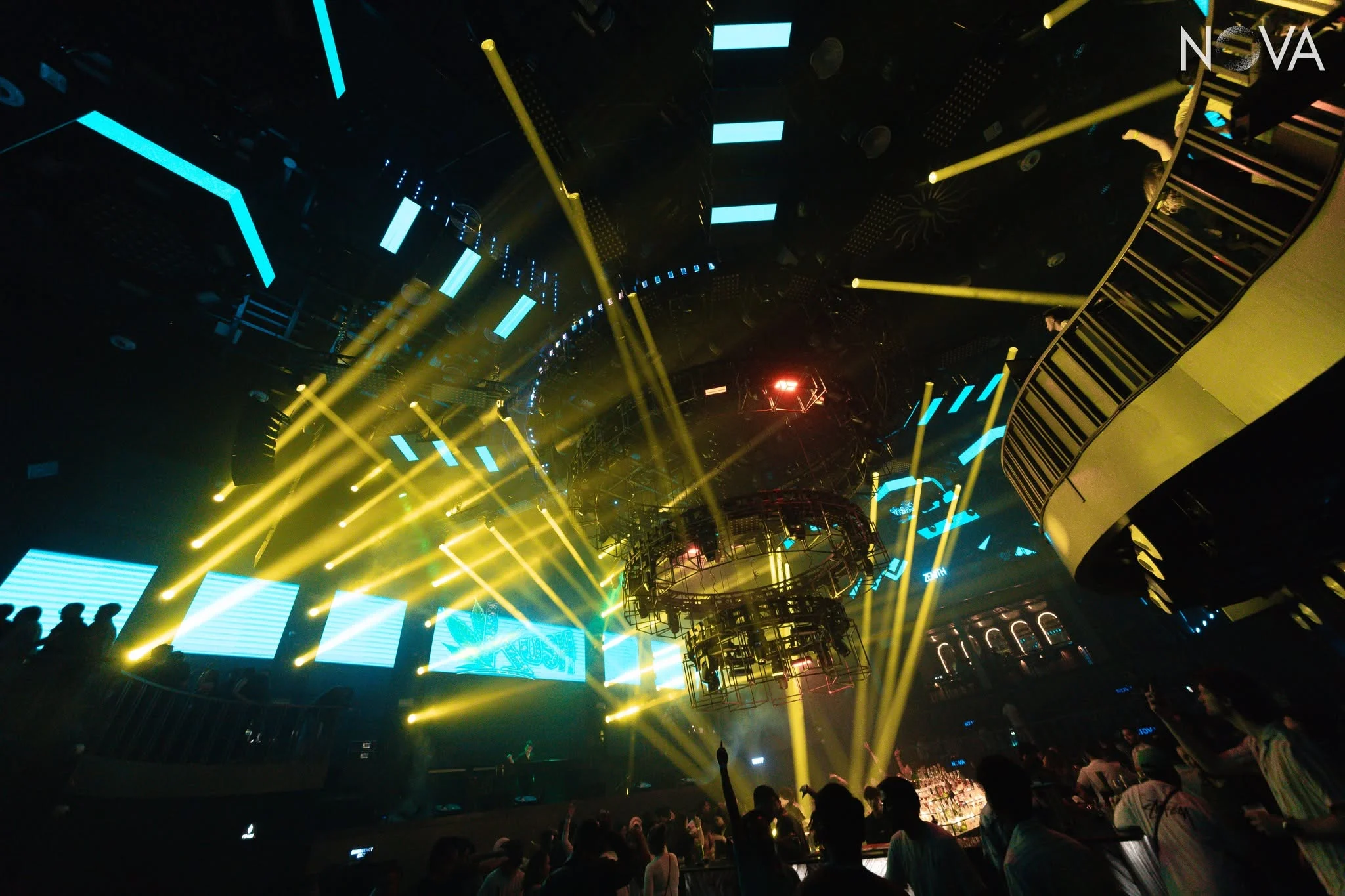
What this means practically for entry: a venue operating as a full club or discotheque has legal room to keep its doors open and admit people until around 4am, while a lounge or dance bar is expected to wind down by 2am. Not every venue uses the full window it’s permitted — some clubs choose to close earlier than the maximum allowed hour as a matter of their own policy, so it’s worth checking a specific venue’s stated hours rather than assuming every club runs until 4am.
ID and Age Verification: What to Actually Carry
There isn’t a single, specifically codified “must show ID at the door” statute publicly documented for Kathmandu nightclubs the way there is for, say, alcohol retail licensing. What exists in practice is straightforward: since the legal drinking age is 18 and licensed venues carry real liability for serving minors, age verification at the door — checking some form of identification when age is in question — is standard practice, especially for anyone who could plausibly be under 18.
For practical purposes, carrying valid photo identification is the sensible default regardless of whether a specific venue asks for it:
- Nepali citizens typically carry a citizenship certificate as the standard form of official ID.
- Foreign visitors should carry a passport (or, in some cases, a driving license with photo ID) — a passport is generally the most universally recognized form of ID for a foreign national in Nepal and the safest default to have on hand.
Beyond age verification, having ID on you is generally good practice in Kathmandu’s nightlife districts regardless of a specific venue’s door policy — for hotel check-in verification, for dealing with any incident that might involve police, and simply because being asked to confirm your age at a door is a normal, low-friction request rather than something to be caught off guard by.
What Entry Actually Costs
Cover charges in Kathmandu’s nightclubs vary meaningfully by venue, night, and event, but there’s a reasonably consistent range worth knowing so you’re not caught off guard or overcharged.
| Venue Type / Example | Typical Entry Fee | Notes |
|---|---|---|
| LOD (Lord of the Drinks) | Around NPR 1,000 | Women often enter free, except for special events |
| Club Fire | NPR 500–800 | Fee commonly includes a drink |
| Standard Thamel club, regular night | NPR 500–1,000 | Wide range depending on venue and night |
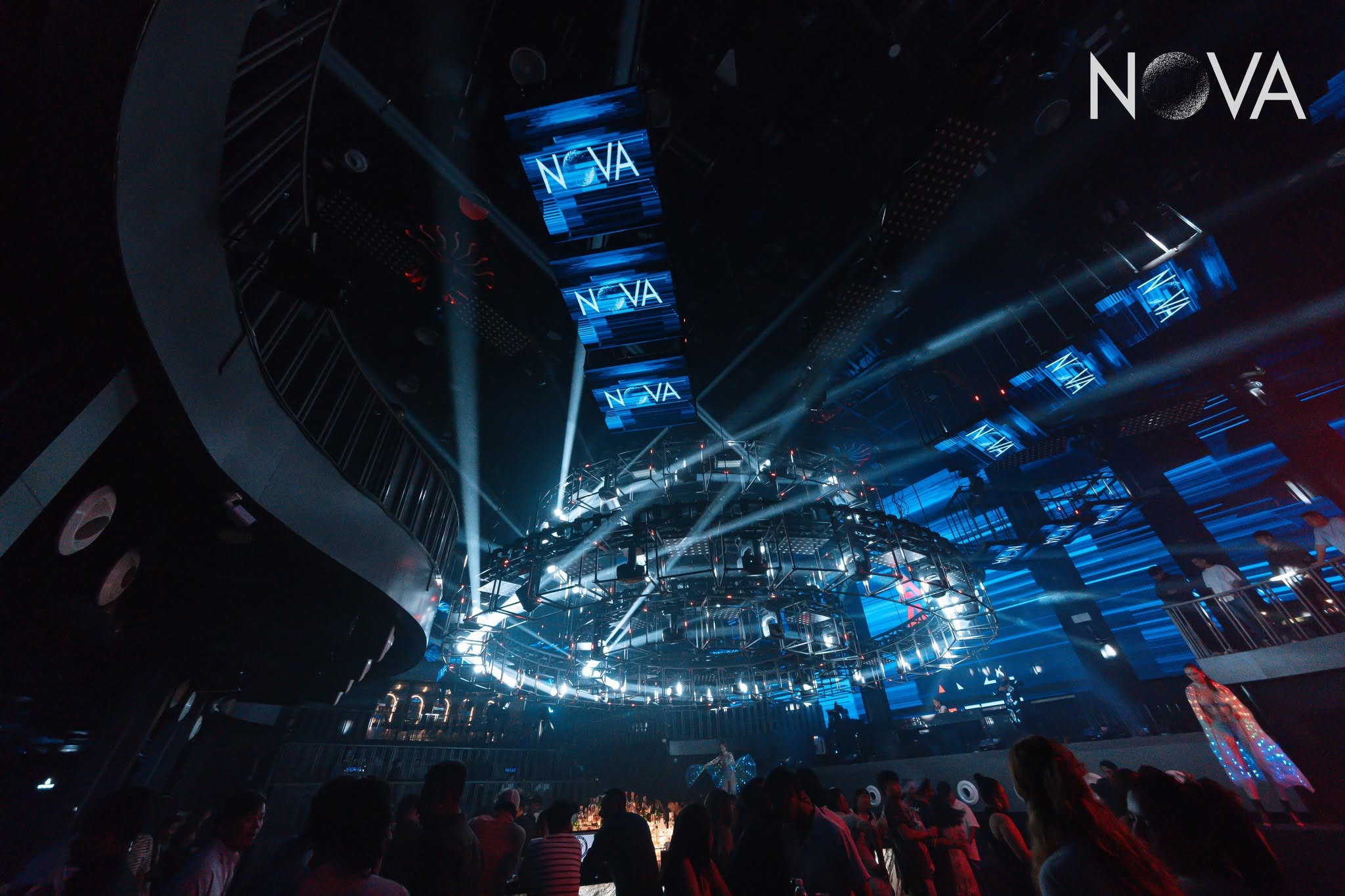
| Ticketed concerts (e.g., Club Nova) | Varies by event | Priced per specific show, sold through platforms like eticketnepal.com |
| Live-music bars (Purple Haze, Reggae Bar, etc.) | Often no cover for regular sets | Special/ticketed performances may charge separately |
A few patterns worth understanding: entry fees at the bigger, DJ-driven clubs tend to be higher on weekend nights than midweek, and many venues bundle the cover charge with a drink rather than charging a bare entry fee — so a NPR 500–800 charge that “includes a drink” is often a better value comparison point than the number alone suggests. Live-music bars generally don’t charge a standard cover for their regular nightly sets, reserving ticketed pricing for genuinely special performances or touring acts.
Women’s Entry Policies
A pattern that shows up repeatedly across Kathmandu’s bigger nightclubs is free or discounted entry for women, with the caveat that this typically doesn’t apply to special ticketed events. LOD is a confirmed example of this practice — standard entry is free for women while men pay the standard cover, except when a special event changes the pricing structure for everyone.
This isn’t a universal legal requirement — it’s a common commercial policy that individual venues choose to run, generally as a way to balance the gender ratio on the floor and make the venue more appealing overall. Because it’s venue-specific rather than law, it’s worth checking a specific club’s current policy for a given night rather than assuming it applies everywhere or on every occasion.
Dress Codes: What’s Actually Expected
Kathmandu’s nightlife dress expectations split fairly cleanly along venue type, and understanding this split will save you from either overdressing for a casual bar or getting turned away from a stricter club.
Live-music bars and lounges (Purple Haze Rock Bar, Reggae Bar, and similar spots) are overwhelmingly casual — Purple Haze explicitly has no dress code, and this holds broadly true across Thamel’s music-bar tier. Jeans, t-shirts, and everyday travel clothing are entirely normal.
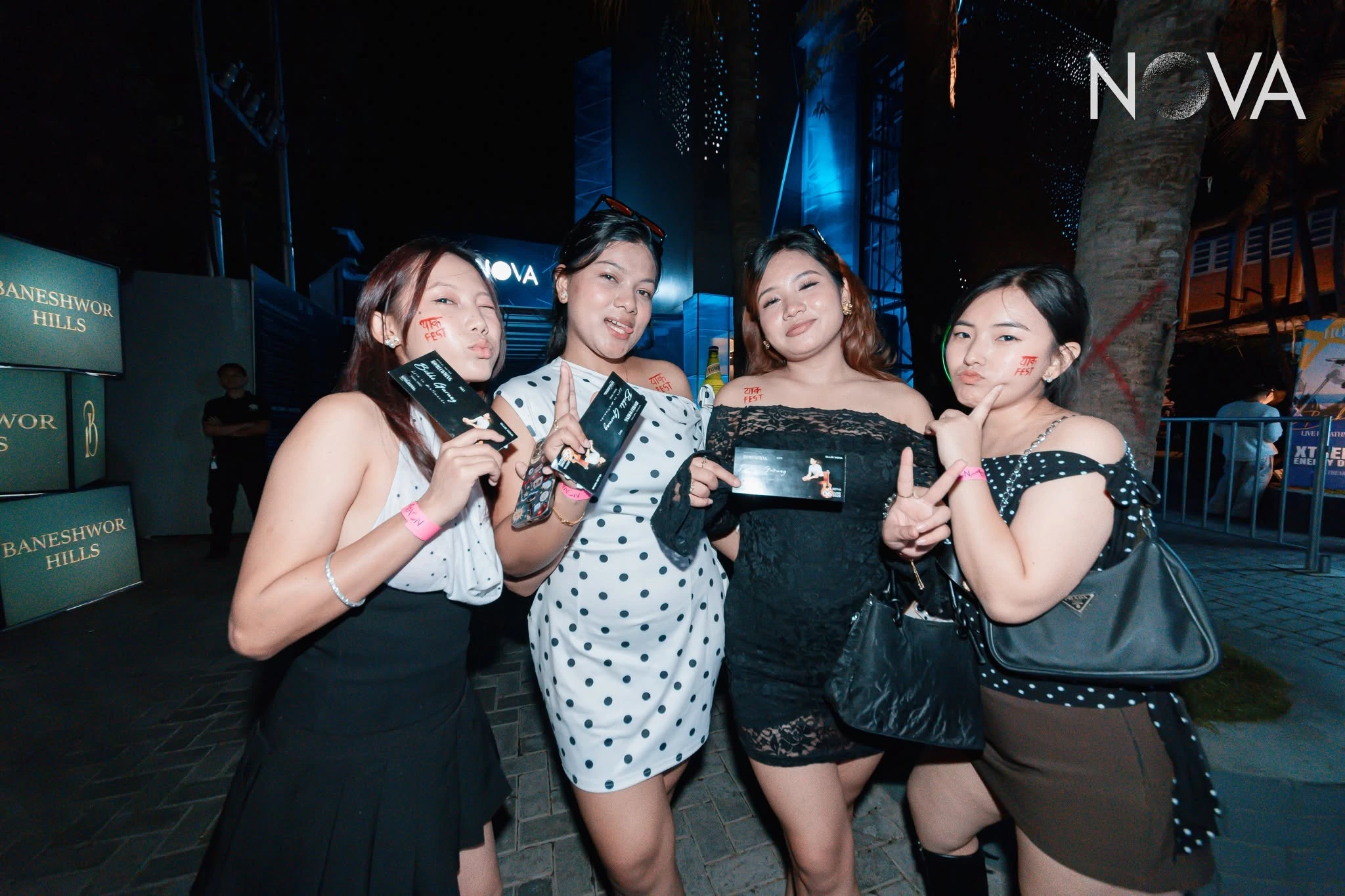
Larger clubs and discotheques generally expect smart-casual attire, which is the most commonly cited standard across bigger venues. In practice, this usually means: no flip-flops or beach sandals on busy nights, collared shirts or neat casual tops rather than worn travel gear, and generally making a moderate effort rather than showing up in trekking clothes straight off the trail. Club Fire, for example, specifically notes no flip-flops as a rule on its busier nights, which is a reasonable proxy for the general standard across similar venues.
There’s no indication of a formal, jacket-and-tie-required dress code at any regularly cited Kathmandu venue — “smart casual” is the ceiling for most clubs, not black-tie formality.
Door Discretion: How Selective Entry Actually Works
Bigger clubs in Kathmandu commonly operate what’s described as a selective entry policy during peak season and on the busiest nights (typically Thursday through Saturday), meaning door staff have discretion over who gets in beyond simply checking age and payment. This isn’t unique to Kathmandu — it’s standard practice at busy nightlife venues generally — but it’s worth being aware that a full club on a Friday or Saturday night may exercise more judgment at the door than the same venue would on a quiet Tuesday.
There’s a useful historical illustration of how seriously some Kathmandu venues have taken this in the past: one well-known Kathmandu club (referenced in older nightlife coverage as “the Rox”) introduced a formal dress code and a strict, management-discretion door policy — explicitly compared at the time to a “New York club rope-entrance” — after a run of alcohol-related incidents and fights threatened the venue’s reputation as an international-standard brand. The specific venue and incident are dated, but the underlying pattern it illustrates is current: security and reputation concerns are real reasons Kathmandu clubs tighten door policy, not just an arbitrary exercise of power.
Protecting Yourself From Unofficial Charges
This is worth flagging directly because it’s a documented, real complaint rather than a hypothetical concern: reviews of at least one well-regarded Kathmandu nightlife venue have specifically mentioned an employee attempting to collect an unofficial, unauthorized entry charge beyond the venue’s standard published pricing. This kind of issue — a staff member trying to pocket an extra “fee” outside the normal system — isn’t unique to any one club, and it’s the kind of thing worth being alert to at any venue, anywhere.
Practical ways to protect yourself:
- Ask what the standard cover charge is before paying anything, ideally referencing a number you’ve seen published by the venue itself (social media, official listings) rather than accepting a verbally quoted figure with no context.
- Ask for a receipt or wristband/stamp confirming entry payment where the venue’s process supports it.
- If a charge feels inconsistent with what’s advertised or what others around you are being asked to pay, it’s reasonable to question it or ask to speak with a manager rather than simply paying to avoid a scene.
Foreign Visitors vs. Nepali Nationals: Any Difference in the Rules?
The legal drinking age and the official operating-hour rules apply uniformly — there’s no separate legal age threshold or different closing-time rule for foreign nationals versus Nepali citizens in Kathmandu’s nightlife venues. The practical difference is limited to the type of ID typically carried (passport for foreign visitors, citizenship certificate for Nepali nationals) rather than any difference in the underlying rule being enforced.
A Practical Pre-Night Checklist
Pulling the above together into something usable before you head out:
- Confirm you’re 18 or over and carry valid photo ID (passport for foreign visitors, citizenship certificate for Nepali nationals) in case age verification comes up.
- Check the specific venue’s closing time rather than assuming every club runs until 4am — some choose to close earlier.
- Ask about the cover charge in advance if possible, and note whether it includes a drink — this changes the actual value of what you’re paying.
- Dress smart-casual for bigger clubs; casual is fine for live-music bars, but skip flip-flops for busier club nights.
- Expect selective entry on peak nights (Thursday–Saturday especially) at the larger, more popular clubs.
- Confirm any advertised free or discounted entry (common for women at several venues) still applies on the specific night you’re going, since special events can change standard pricing.
- Don’t pay an entry fee that doesn’t match what’s advertised without asking questions first — this protects against the unofficial-charge issue documented above.
FAQs about Nightclub Entry Rules in Kathmandu
- What is the legal drinking age in Kathmandu?
Eighteen. This is Nepal’s national legal drinking age, applying the same way in Kathmandu as everywhere else in the country, though enforcement is more consistent at licensed venues than at retail alcohol shops. - Is Nepal’s drinking age actually 21, as some sources say?
No — 18 remains the current legal drinking age. A 2017 government policy proposal suggested raising it to 21 alongside other alcohol-control measures, but that was a draft policy, not enacted law; current sources confirm 18 is still in effect. - What time do nightclubs in Kathmandu close?
Full clubs and discotheques are generally permitted to operate until around 4am under Kathmandu Valley’s tiered nightlife operating-hour rules. Lounges and dance bars are permitted until around 2am, and restaurants until around midnight. Individual venues may choose to close earlier than the maximum allowed. - Do I need to show ID to get into a nightclub in Kathmandu?
There’s no single universally documented law mandating ID checks at every club door, but age verification is standard practice at licensed venues given the legal drinking age of 18. Carrying valid photo ID (passport for foreign visitors, citizenship certificate for Nepali nationals) is the sensible default. - How much does it cost to get into a Kathmandu nightclub?
Typically NPR 500–1,000, varying by venue and night, and sometimes including a drink as part of the cover charge. Ticketed concerts and special events are priced separately per event. - Do women get free entry to nightclubs in Kathmandu?
It’s a common practice at several bigger venues, including LOD, though it’s a venue-specific commercial policy rather than a legal requirement, and it commonly doesn’t apply to special ticketed events. - Is there a dress code for Kathmandu nightclubs?
Larger clubs generally expect smart-casual attire, with some specifically discouraging flip-flops on busy nights. Live-music bars and lounges are typically much more casual, often with no dress code at all. - Can clubs refuse entry at their own discretion?
Yes — selective entry, particularly during peak nights (Thursday through Saturday) at busier venues, is standard practice, giving door staff discretion over admission beyond basic age and payment checks. - Are the alcohol retail hours the same as bar and club hours?
No — retail alcohol shops are restricted to roughly 10am–10pm for off-premise sales, which is a completely separate rule from the tiered operating hours (midnight to 4am depending on venue type) that govern on-premise drinking at restaurants, lounges, and clubs. - Is there a difference in entry rules for foreign tourists versus Nepali citizens?
The underlying legal age and operating-hour rules apply the same way to everyone. The main practical difference is simply which form of ID is typically carried — passport for foreign visitors, citizenship certificate for Nepali nationals. - What happens if a club tries to charge me more than the standard entry fee?
This has been a documented issue at at least one Kathmandu venue, where a staff member reportedly attempted to collect an unauthorized extra charge. It’s reasonable to ask about the standard published price beforehand, request a receipt or entry confirmation, and question any charge that doesn’t match what’s advertised. - Do Kathmandu nightclubs enforce a minimum age higher than 18 for entry specifically (versus just drinking)?
There’s no widely documented, separate minimum entry age above the national drinking age of 18 at Kathmandu’s mainstream nightclubs — the 18-year threshold is the relevant baseline for both drinking and, in practice, club entry. - Were nightlife operating hours ever different from the current tiered system?
Yes — in March 2022, as COVID-19 cases declined, Nepal’s Ministry of Home Affairs temporarily lifted all time restrictions on nightlife businesses to support the sector’s recovery. The tiered closing-time structure described in this guide represents the standard ongoing framework rather than that temporary exception. - Can I be refused entry for being visibly intoxicated already?
While not covered by a specific documented Kathmandu statute in the sources available, refusing entry to visibly intoxicated patrons is standard practice at licensed venues generally, consistent with the security-focused reasoning officials have given for regulating nightlife hours and operations in the first place.
Conclusion on Nightclub Entry Rules in Kathmandu
The genuinely legal part of “nightclub entry rules in Kathmandu” is narrower than it might seem: an 18-year national drinking age, and a tiered set of official closing hours running from midnight for restaurants up to around 4am for full clubs and discotheques, enforced by Nepal Police under a Kathmandu district-level ruling. Everything else — cover charges, dress codes, women’s-entry discounts, and how strict the door is on a given night — is set by individual venues and genuinely varies from club to club.
Knowing which parts are law and which parts are house policy is the difference between showing up prepared and getting caught off guard by something that was never actually a rule to begin with.
Leave a Reply