

Club Dress for Men
You’ve been ready for twenty minutes. You’ve tried on three shirts. You still don’t know if tonight’s outfit gets you past the rope or gets you a slow head-shake from the guy holding the clipboard.
That thirty seconds at the door is really a snap judgment about effort. Doormen aren’t grading your taste — they’re scanning for whether you thought about tonight at all. Get that right, and the actual outfit has a lot more room than most guides admit. Get it wrong, and no amount of expensive fabric saves you.
This guide isn’t another list of outfit ideas to scroll past. It’s the actual system: what club dress means in 2026, how to build an outfit piece by piece, what gets you turned away everywhere, and how to adjust for the specific room you’re walking into — from a Vegas megaclub to an upscale rooftop lounge to a place like Club Nova in Kathmandu’s Thamel district, where “smart, party-ready” is the house rule and VIP guests are expected to bring it up another notch.
What “Club Dress” Actually Means in 2026
Forget the idea that club dress means a stiff dress shirt and pointy shoes. Most venues today run on smart casual with intention — clothes that are clean, fitted, and clearly chosen, not clothes that are formal for formality’s sake. The keyword doing all the work there is intention. A plain grey t-shirt can pass at some doors and fail at others depending on whether it’s fitted and fresh or baggy and five years old.
Three things almost every club, everywhere, is actually screening for:
- Fit over brand. A $30 shirt that fits your shoulders beats a $300 shirt that doesn’t.
- Condition. Nothing distressed, nothing stretched out, nothing that looks slept in.
- Footwear that signals “night out,” not “gym” or “commute.”
Everything else — color, texture, how bold you go — is where you get to have fun.
The 2026 Shift: What Changed From a Few Years Ago
Club style has moved away from stiff, corporate-adjacent “clubwear” and toward what’s best described as elevated personality dressing. A few real shifts worth knowing before you shop or plan an outfit:

- Streetwear has been let in the front door, but only the “elevated” version. Premium hoodies, well-cut joggers, and clean statement sneakers now work at plenty of trend-forward clubs — as long as everything is fitted and the palette is controlled, not a mismatched pile of logos.
- Color and texture are doing more work than tailoring alone. Velvet blazers, unexpected suit colors like burgundy or forest green, and textured knits are replacing the plain black-on-black uniform as the “dressed up” default.
- The fitted tee has replaced the dress shirt in a lot of upscale settings. Pairing a simple, well-fitted t-shirt under an unstructured blazer reads as more current than a full shirt-and-tie combination.
- Regional identity matters more. A club in a beach town, a European capital, or a South Asian nightlife hub like Thamel isn’t chasing the same look as a Miami or Vegas megaclub, and dressing like you researched the actual room — not just “clubs” in general — reads as effort.
The Core Club Outfit Formula
Every solid club outfit answers five questions: top, bottom, shoes, layer, accessory. Use this table as your starting formula, then adjust up or down based on the venue.
| Venue type | Top | Bottom | Shoes | Layer | Accessory |
|---|---|---|---|---|---|
| Upscale lounge / VIP table | Fitted button-down or knit polo | Tailored trousers | Leather dress shoes or clean loafers | Blazer (velvet or bold color for 2026) | Minimal — one watch or chain |
| Mainstream nightclub | Fitted tee or open-collar shirt | Dark, clean jeans or chinos | Leather sneakers or Chelsea boots | Light bomber or overshirt if cool | Simple chain or bracelet |
| Trend-forward / streetwear club | Premium graphic tee or knit | Tailored joggers or slim cargo | Clean statement sneakers | Oversized bomber or coat | One bold piece, not several |
| Rooftop / beach or resort club | Breathable shirt or fitted tee | Tailored shorts or light chinos | Loafers or clean minimalist sneakers | None or a light overshirt | Sunglasses (daytime only) |
| Elevated regional club (e.g. Thamel-style) | Crisp shirt or fitted knit | Tailored trousers or dark jeans | Leather shoes or clean sneakers | Blazer for VIP sections | Watch, subtle chain |
If you take nothing else from this article, take that table. Everything below explains how to fill in the details for your body, your budget, and the specific night you have coming up.
Building the Outfit, Piece by Piece
Shirts and Tops
The shirt is the first thing a doorman’s eye lands on, so it’s the highest-leverage piece in the outfit. A button-down in a solid or subtle pattern, worn slightly open at the collar, is the safest strong choice for almost any club. For a more current 2026 look, swap it for a fitted turtleneck or a quality knit — both read as more deliberate than a basic shirt and layer well under a blazer if the venue gets cold or the AC is aggressive.
If you’re going the t-shirt route for a more relaxed venue, the fabric has to earn it: a heavier cotton or a subtle textured knit tee looks intentional, while a thin, worn-out tee looks like an afterthought. Tuck it in, half-tuck it, or wear it slightly fitted — never boxy.
Trousers, Jeans, and Chinos
Dark, clean, well-fitted jeans are accepted almost everywhere that isn’t explicitly formal — the two things that get jeans rejected are visible wear (rips, fading, fraying) and poor fit (too baggy or too skinny for your build). Tailored trousers are the safer upgrade for upscale lounges and VIP sections, and chinos sit comfortably in between for venues with a relaxed-smart dress code.
Shorts are the one category to be genuinely cautious with. Most nightclubs don’t allow them for men regardless of temperature, though rooftop, beach, and resort-style venues are the clear exception. If you’re not sure whether a venue falls into that exception, don’t gamble on shorts.
Footwear — The Number One Reason Men Get Turned Away
More men get rejected at the door over shoes than over any other single item. The rule isn’t “no sneakers” across the board — it’s no athletic-looking sneakers. A basketball shoe, a running shoe, or anything that reads as gym equipment is a near-universal no. A clean, minimal leather or suede sneaker in good condition is accepted at a large and growing number of clubs, especially trend-forward and streetwear-friendly venues.
Chelsea boots, leather loafers, and classic leather dress shoes remain the safest choice anywhere, and the one you should default to if you haven’t researched the specific venue’s policy. Flip-flops, sandals, and worn work boots are close to universally banned.
Outerwear and Layering
A layer isn’t required, but it’s often what separates a good outfit from a forgettable one. A blazer — especially in velvet or an unexpected color — instantly elevates a simple shirt-and-trouser combination for VIP or upscale settings. A bomber jacket or overshirt works for cooler nights at more casual venues and gives you somewhere to put your phone and cards if the venue requires a bag check or doesn’t allow bags at all.
Accessories and Jewelry
Less is doing more in 2026. One strong piece — a watch, a chain, a signet ring — reads as considered. Multiple competing pieces read as trying too hard. Skip visible logos, oversized branding, and anything that looks costume-y rather than finished.
What Never Works: Universal Club Dress Code Red Flags
Regardless of city, venue, or how relaxed a club claims to be, these items get men turned away at the overwhelming majority of doors:
| Banned or high-risk item | Why it fails |
|---|---|
| Athletic shorts, gym shorts | Reads as workout, not night out |
| Basketball or running sneakers | Same issue — athletic association |
| Flip-flops, sandals | Safety and formality concerns |
| Tank tops, sleeveless shirts | Too casual, seen as underdressed |
| Sports jerseys, team apparel | Reads as game day, not club night |
| Baseball caps, athletic headwear | Most venues restrict hats entirely or only allow fashion styles (fedoras, flat caps) |
| Visibly distressed or oversized clothing | Reads as sloppy rather than styled |
| Construction or work boots | Practical footwear, not nightlife footwear |
| Crossbody bags on men | Frequently flagged at security/entry in major nightlife cities |
If an item on this list feels essential to your outfit, it’s worth reconsidering the outfit rather than hoping the door staff let it slide.
Dressing by Club Type and City
- Upscale lounges and bottle-service venues expect the most polish: tailored trousers, a blazer, leather shoes. This is where a bold color choice or an interesting texture — burgundy velvet, a patterned knit — does more to make you stand out than a plain black suit ever will.
- Mainstream nightclubs in most cities run on smart casual: collared shirt or fitted tee, dark jeans or trousers, clean shoes. This is the biggest and most forgiving category, and the core formula table above will carry you through almost any club in this tier.
- Trend-forward, streetwear-leaning clubs are the most permissive on sneakers and casual pieces, but the least forgiving on visible wear and mismatched color. Keep the palette tight and the pieces premium, even if the silhouette is relaxed.
- Rooftop, beach, and resort clubs are the exception to almost every rule above — shorts, sneakers, and lighter fabrics are expected because of climate and setting. The one constant that carries over is effort: sloppy gym wear still doesn’t work even in a beach setting.
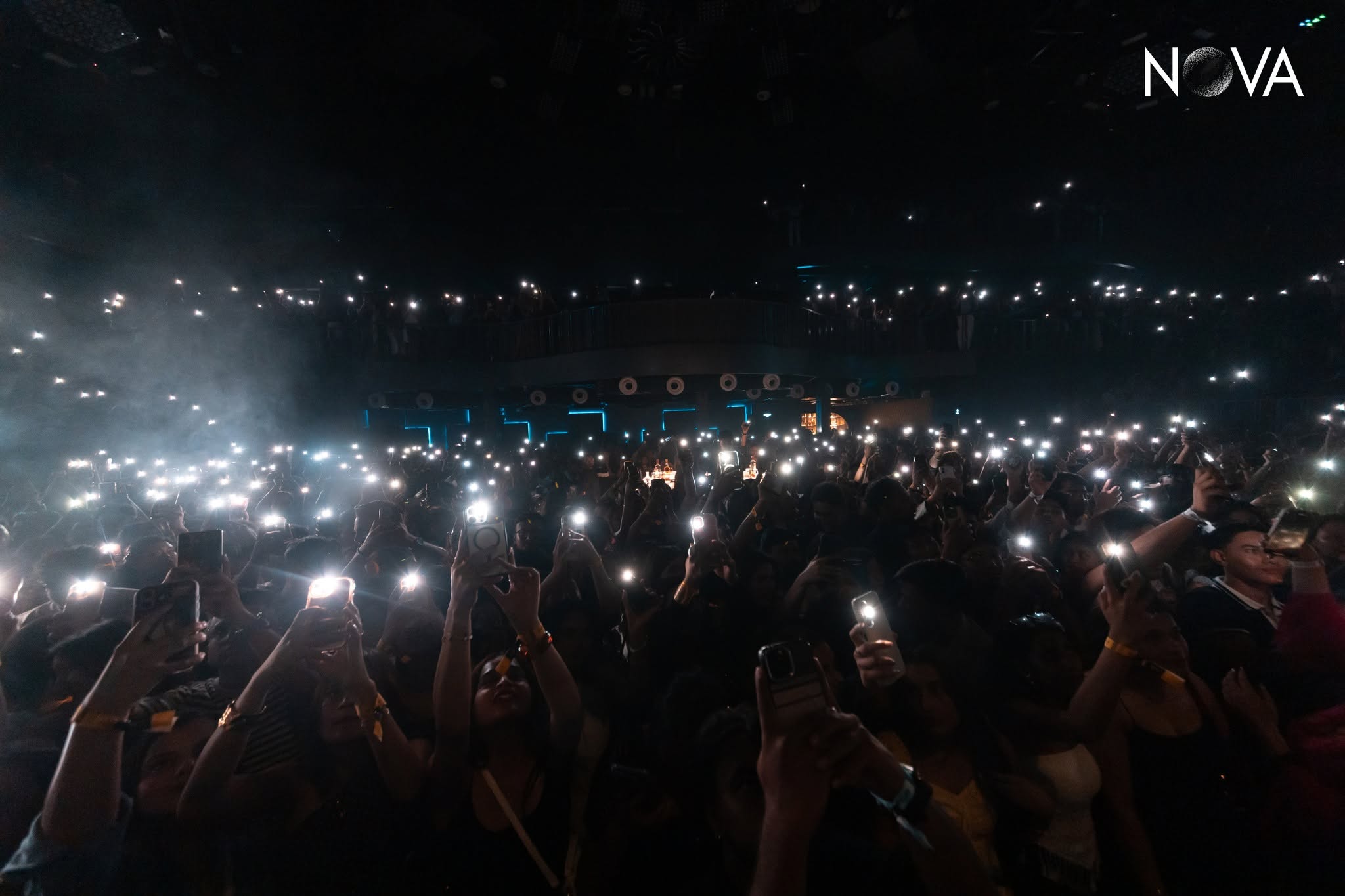
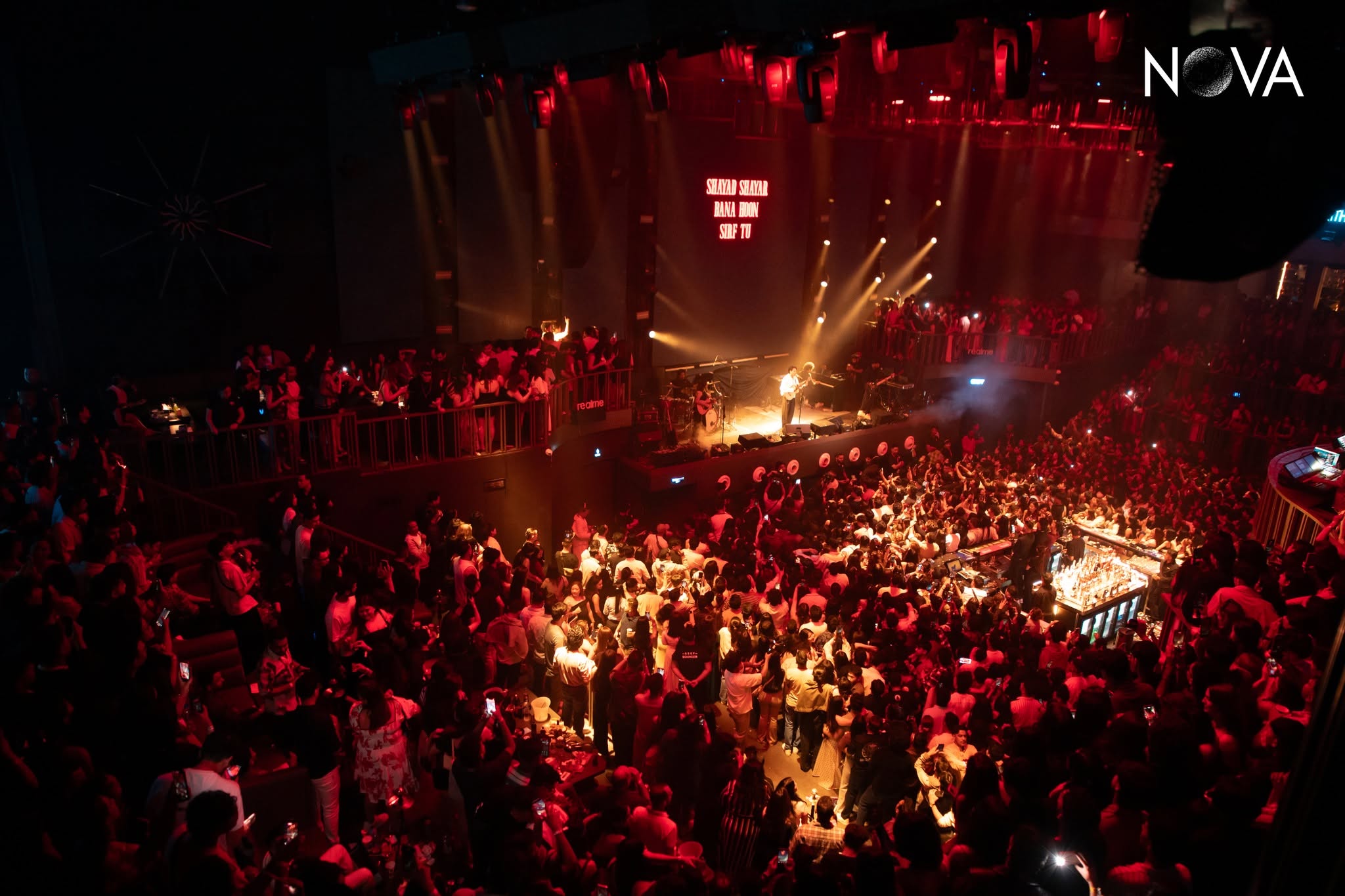
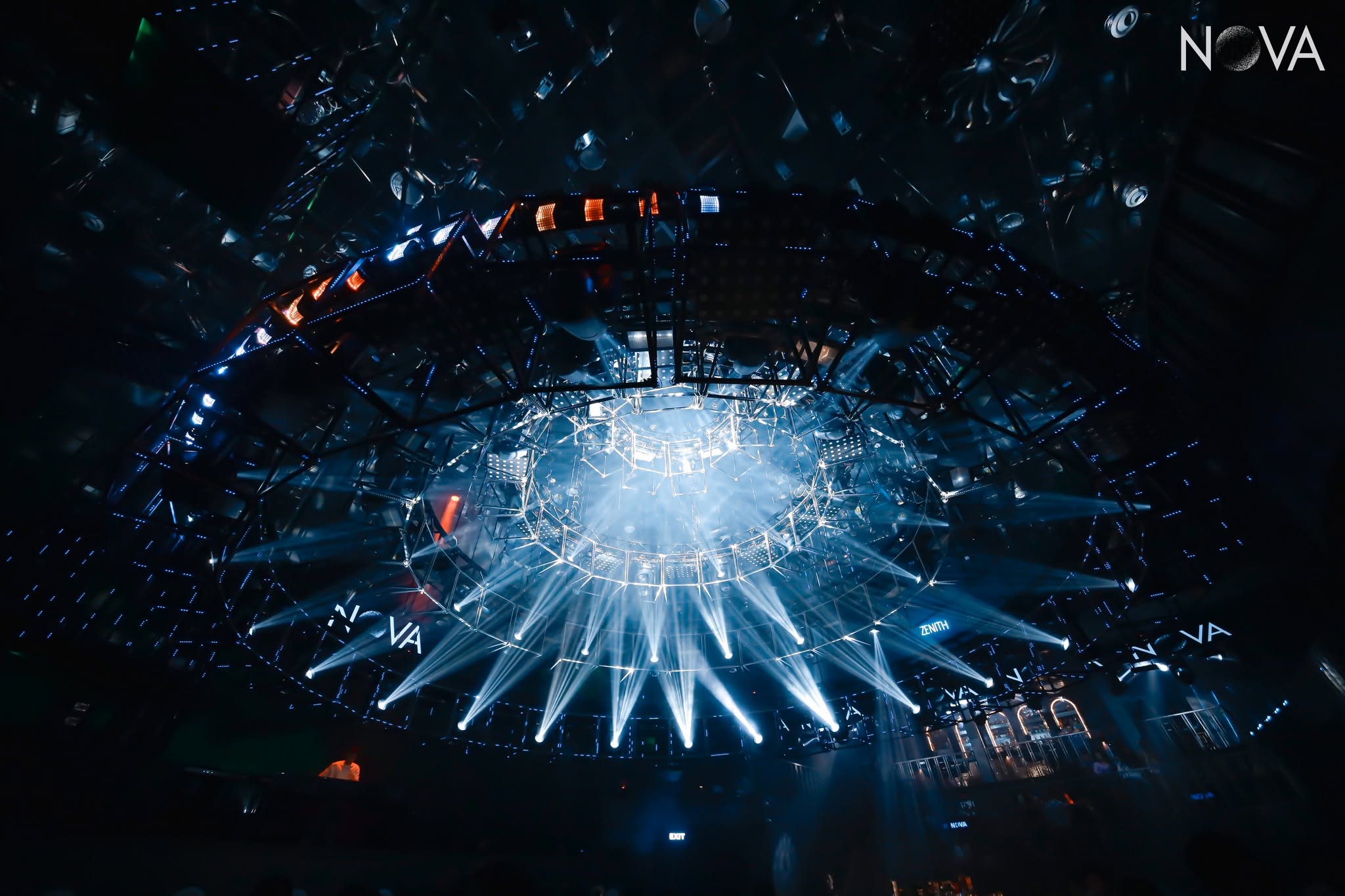
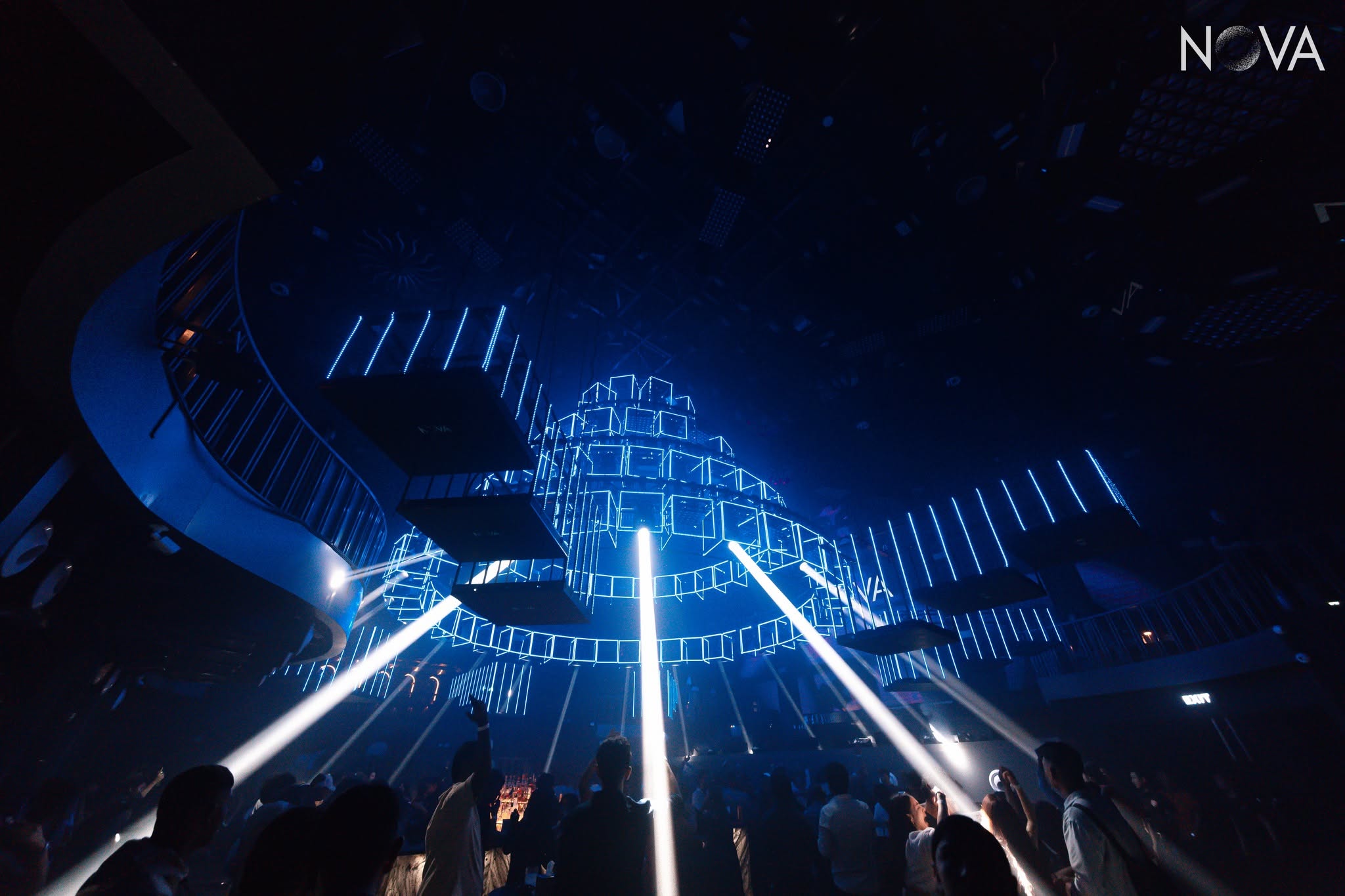
- Regional and destination nightlife hubs are worth calling out separately, because most guides only cover US cities. Club Nova, the biggest nightclub in Nepal and a landmark venue in Kathmandu’s Thamel nightlife district, is a good example of how this plays out: the house dress code is smart, party-ready attire, with dressing up specifically encouraged for VIP sections and special events.
That’s functionally the same “elevated smart casual” formula covered throughout this guide — a fitted shirt or knit, tailored trousers or dark jeans, and clean leather shoes will carry you through the main floor, while a blazer and sharper shoes are the right move if you’re heading into a VIP table or booked event there. The lesson generalizes: when you’re traveling or heading somewhere new, that same formula — fitted, clean, intentional, one strong layer for VIP — travels with you.
Seasonal Club Dressing
- Warm weather calls for breathable fabrics — lightweight cotton, linen blends — without dropping the “intentional” standard. A fitted short-sleeve shirt or breathable knit paired with tailored trousers or dark chinos keeps you cool without reading as underdressed.
- Cold weather is where layering earns its keep. A denim or bomber jacket over a knit or button-down works for casual and mid-tier venues; a wool overcoat over a blazer is the move for upscale settings. Check whether the venue has a cloakroom before committing to a heavy coat — carrying it all night is its own kind of unstylish.
Dressing for VIP and Bottle Service
VIP sections are the one place where “overdressed” essentially doesn’t exist. This is where the blazer, the sharper shoe, and the more considered accessory earn their keep. That said, bottle service occasionally lets a looser dress code slide in practice — it doesn’t mean you should test it. Showing up dressed for the section you booked, not the general floor, is the simplest way to avoid feeling — or looking — out of place next to your own table.
The Psychology of the Door: Why Identical Outfits Get Different Outcomes
Here’s what most guides never explain: two men in nearly identical outfits can get very different treatment at the same door, on the same night. Door staff aren’t just checking a list of banned items — they’re reading confidence, grooming, and group composition in the same three seconds they’re reading your clothes.
A few things that shift the outcome even when the outfit is technically compliant:
- Grooming reads as loudly as clothing. Fresh haircut, trimmed facial hair, and clean shoes signal the same “effort” a good outfit does.
- How you carry the outfit matters. Standing tall and making eye contact reads as belonging; shuffling and avoiding eye contact reads as unsure, even in a great outfit.
- Group dynamics count. A well-dressed group with one underdressed member sometimes gets the whole group held up — dress as a unit if you’re heading out together.
- Enforcement is genuinely subjective. Door policy is a floor, not a guarantee — when in doubt, dress slightly above the minimum rather than exactly to it.
Common Mistakes Men Make With Club Outfits
- Confusing “casual” with “careless.” A relaxed dress code still means clean and fitted, not whatever’s on top of the laundry pile.
- Over-accessorizing. Multiple chains, rings, and bracelets at once reads as costume rather than considered.
- Ignoring shoes until the last minute. Footwear gets more scrutiny than any other piece — plan it first, not last.
- Dressing for the venue’s reputation instead of the actual night. A club known for a relaxed vibe on a regular Tuesday can run a stricter policy for a ticketed event or guest DJ night.
- Not checking the specific venue. Generic “club rules” are a starting point, not a substitute for looking up the actual dress code of where you’re going.
Building a Capsule Club Wardrobe
You don’t need a new outfit every weekend — you need five pieces that recombine cleanly:
- One fitted button-down in a neutral tone (navy, charcoal, or black)
- One quality fitted knit or turtleneck for a more current look
- Dark, clean jeans and one pair of tailored trousers
- One versatile blazer — consider a bold color or texture over plain black
- Two shoe options: clean leather sneakers for casual-smart venues, leather dress shoes or Chelsea boots for anything upscale
Rotate the layer and the color of the top, and this five-piece core will carry you through nearly every venue type covered above.
Frequently Asked Questions
- Can men wear jeans to a nightclub?
Yes, in most venues, as long as the jeans are clean, dark, and free of rips or heavy fading. Upscale lounges and strict VIP settings are the exception, where tailored trousers are the safer choice. - Are sneakers allowed at clubs?
It depends on the sneaker, not sneakers as a category. Clean, minimal leather or suede sneakers pass at a growing number of venues; anything that looks like a basketball or running shoe is almost always rejected. - Can I wear shorts to a club?
Generally no for standard nightclubs, even in hot weather. Rooftop, beach, and resort-style venues are the main exception. - Is a t-shirt acceptable club attire?
A fitted, good-condition t-shirt works at casual-to-mid-tier venues, especially layered under a blazer or jacket. Upscale lounges typically expect a collared shirt or knit instead. - Do I need a blazer to get into a club?
Not for most mainstream nightclubs, but it’s close to essential for upscale lounges and strongly recommended for VIP tables and bottle-service sections. - What shoes should I avoid at a club?
Athletic sneakers, flip-flops, sandals, and work or construction boots are the highest-risk categories across almost every venue type. - Can I wear a hat to a club?
Baseball caps and athletic headwear are commonly restricted. Fashion-forward styles like fedoras, flat caps, or berets are accepted at more venues, but it’s worth checking the specific club. - Is all-black still a safe club outfit in 2026?
Yes, it remains a reliable base, but 2026 style trends favor adding one point of color or texture — a velvet blazer, a patterned knit — rather than head-to-toe flat black. - What should I wear to a club in winter?
Layer a knit or button-down under a bomber jacket or wool coat for casual venues, or a full overcoat over a blazer for upscale settings. Check for a cloakroom before committing to a heavy coat. - What should I wear to a beach or rooftop club?
Breathable fabrics, tailored shorts or light chinos, a fitted shirt, and loafers or clean minimalist sneakers. This is one of the few settings where shorts are generally accepted. - Do VIP sections have a stricter dress code?
Not always officially, but practically yes — dressing to match the section you’ve booked avoids standing out for the wrong reason next to your own table. - Why did I get turned away wearing an outfit that seemed fine?
Enforcement varies by venue, night, and even individual door staff. Grooming, confidence, and group composition all factor in alongside the outfit itself, and dressing slightly above the stated minimum reduces the risk. - What’s the biggest mistake men make with club outfits?
Treating “casual” as an excuse to skip effort altogether. A relaxed dress code still requires clean, fitted, intentional clothing — it just allows more casual pieces within that standard. - Should I dress differently for a club abroad or in a new city?
Yes — regional nightlife norms vary, and researching the specific venue (like checking a club’s own dress code page, as Club Nova outlines for its Thamel venue) beats applying a generic rule from your home city. - How many outfits do I actually need for regular clubbing?
A five-piece capsule — one shirt, one knit, jeans and trousers, one blazer, and two shoe options — covers nearly every club type through simple recombination, without needing a new outfit every week.
Final Word: Dress for the Room, Not Just the Rules
Club dress in 2026 isn’t about memorizing a list of banned items — it’s about reading the room correctly and showing up like you thought about it. The formula holds no matter where you’re headed: fitted over baggy, clean over worn, one strong layer or accessory instead of five competing ones, and shoes chosen for the specific venue rather than whatever’s already on your feet.
Build the five-piece capsule from this guide, adjust it up for VIP nights and down for beach or rooftop settings, and check the actual dress code of wherever you’re going instead of guessing from a generic city rule. Do that, and the outfit stops being the thing you’re anxious about at the door — it becomes the easiest part of the night.
Whether that’s a table at an upscale lounge, a streetwear-friendly dance floor, or a night at a venue like Club Nova in Thamel — where dressing up is part of the experience, not just the entry requirement — the same principle carries you through: dress like you know exactly where you’re going, even on nights you don’t.

Leave a Reply