
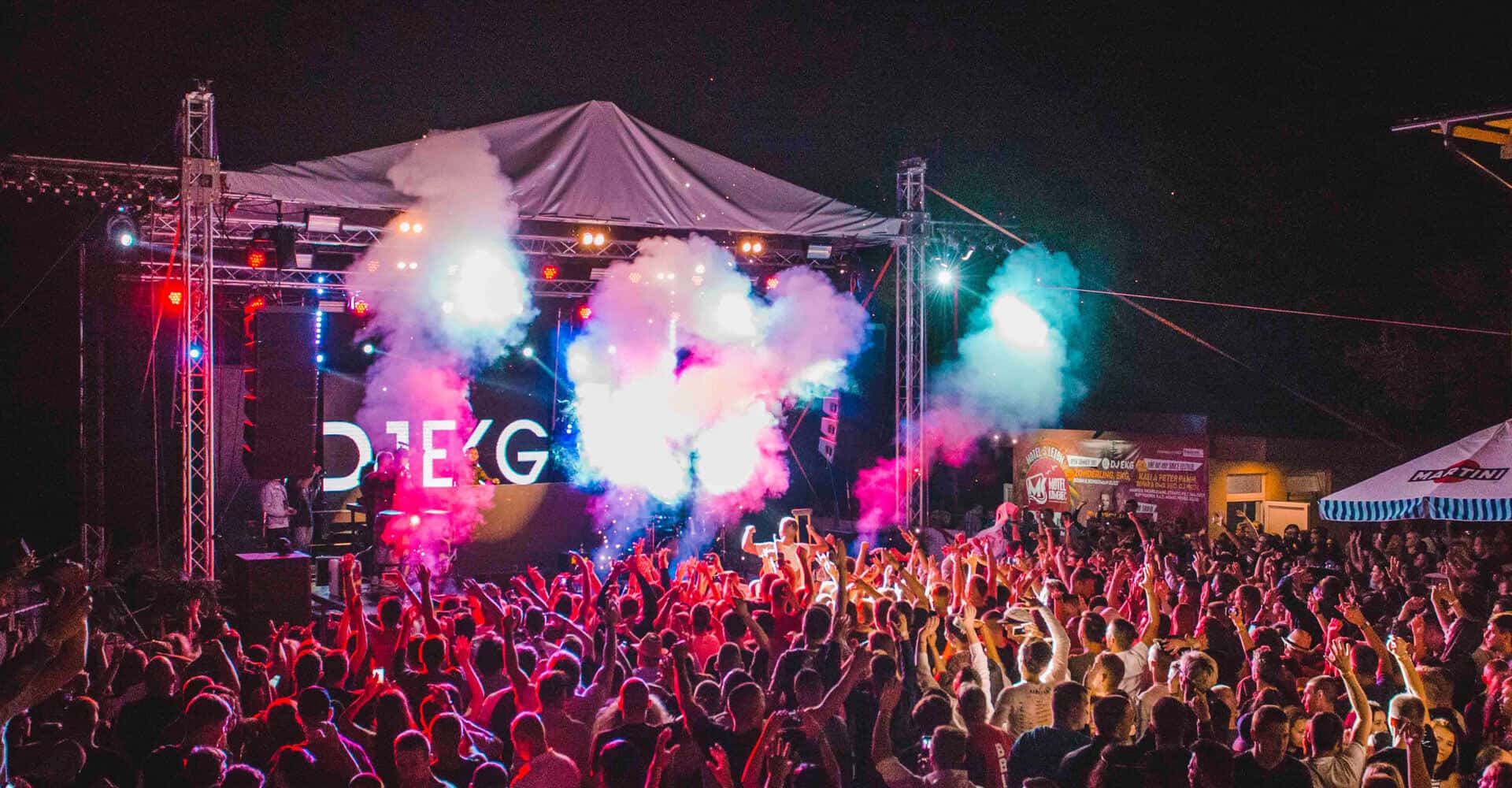
Is Thamel Safe at Night? 2026 Traveler Guide
The short answer is yes — and it’s a more honest yes than most travel content gives you. Thamel is generally safe at night. Restaurants, cafés, and shops stay open late, the streets are populated well past midnight, and the area’s density and tourist infrastructure make it one of the more forgiving nighttime environments for a visitor in South Asia. Locals who walk these streets regularly consistently describe it as one of the safest parts of Kathmandu after dark.
But “generally safe” deserves a detailed explanation, not a one-line reassurance. The context matters — where in Thamel you are, what time of night it is, whether you’re alone or in a group, what you’re doing, and what the specific risks are that a well-prepared visitor can realistically avoid.
This guide gives you the full picture: the current travel advisory situation, what the actual risks are and how serious they are, neighborhood differences within and around Thamel, solo and female traveler specifics, the scam patterns worth knowing, legal rules that shape the night, and the practical habits that separate a safe, enjoyable evening from a frustrating one.
The 2026 Travel Advisory Situation: What It Actually Means
Understanding the official picture matters because it directly shapes how your insurance, your embassy, and your own assessment of risk should work.
On March 31, 2026, the US Department of State updated its travel advisory for Nepal, downgrading the country to Level 2: Exercise Increased Caution. The nationwide demonstrations that had begun in September 2025 — which had temporarily pushed Nepal to Level 3 (Reconsider Travel) — officially ended, and the security situation stabilized. The advisory notes that demonstrations and local unrest can still happen, particularly in cities, and can start with little warning. Travelers are advised to stay away from large crowds and follow the instructions of local authorities.
Level 2 is worth contextualizing: it applies to dozens of popular travel destinations worldwide simultaneously, including France and Germany during certain periods. It does not mean avoid traveling. It means stay informed, register with your embassy via the Smart Traveler Enrollment Program (STEP), and take standard precautions. As of August 2026, the UK Foreign, Commonwealth and Development Office (FCDO) holds Level 1 — no advisory against travel — for Nepal. Canada advises a high degree of caution primarily due to political fragility and infrastructure risks rather than Thamel-specific concerns.
The direct implication for a night out in Thamel: protests and bandhas (general strikes) are the politically relevant risk in Kathmandu in 2026, and they are almost never aimed at tourists or tourist areas. They are typically announced in advance. Your hotel’s front desk will know about an upcoming bandha before you do. For a standard Friday or Saturday night out, none of this is a realistic factor in your evening — these are background conditions to monitor, not active threats to plan around on a given night.
What petty crime data shows is more directly relevant to a nightlife context. Nepal Police statistics from early April 2026 indicate that petty theft targeting tourists increased by approximately 23% since the protests ended — concentrated in crowded areas of Kathmandu including Thamel.
This is not a reason to avoid Thamel; it is a reason to carry valuables in a specific way and to know where pickpocketing tends to happen. Violent crime against foreign visitors remains rare by any comparative measure.
What Thamel Actually Feels and Looks Like at Night
Thamel’s main pedestrian lanes — the cluster around Chaksibari Marg, Paryatan Marg, Tridevi Marg, and Mandala Street — stay lit and commercially active well past midnight. Restaurants serve until around midnight, convenience stores operate 24 hours in some cases, and the nightclubs and bars keep the main strip populated in both directions until 3am and beyond on weekend nights. The 2026 pedestrian zone on Chaksibari Marg — officially traffic-free, though enforcement is variable — means foot traffic moves more freely through this stretch than in previous years.
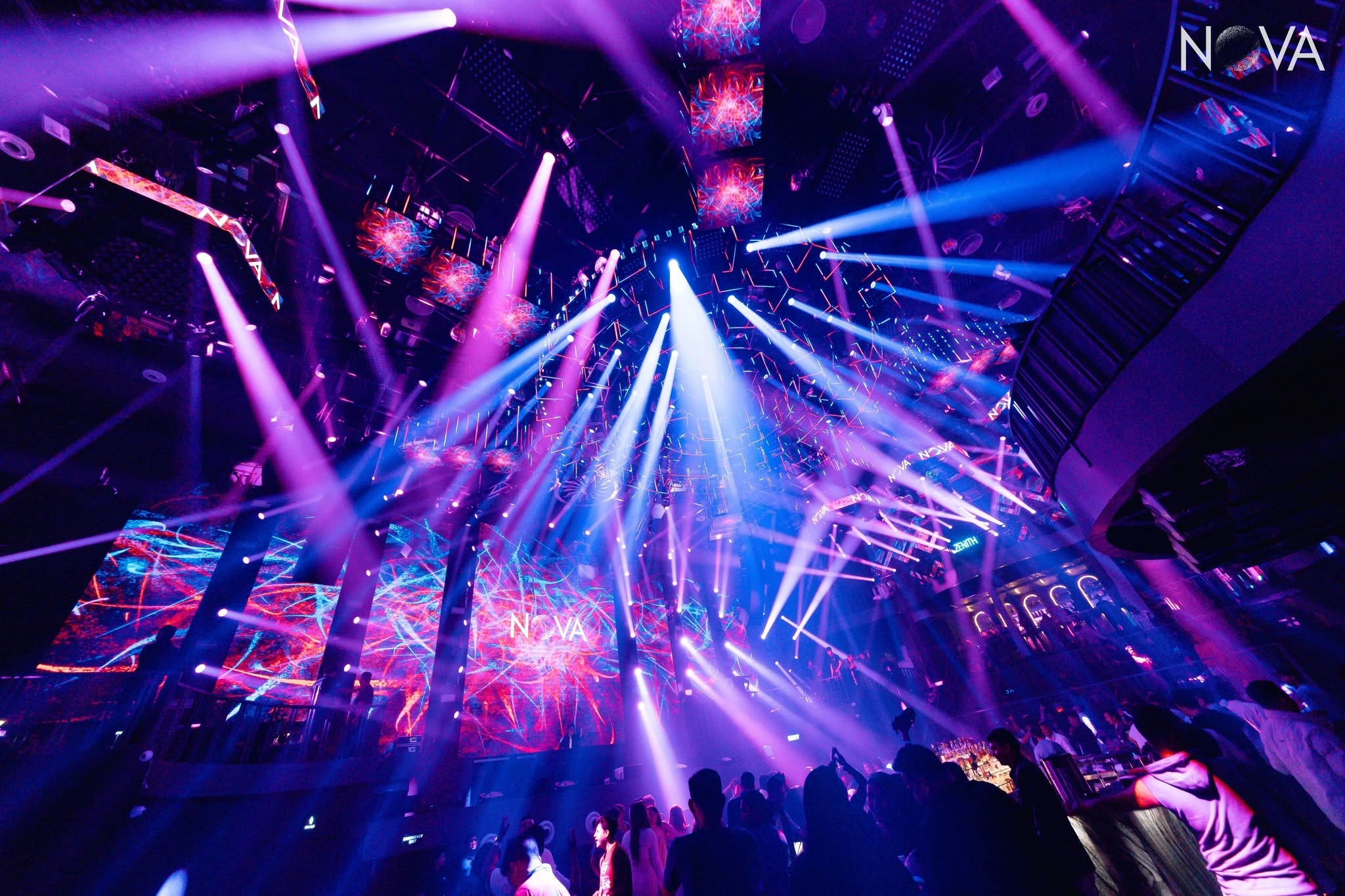
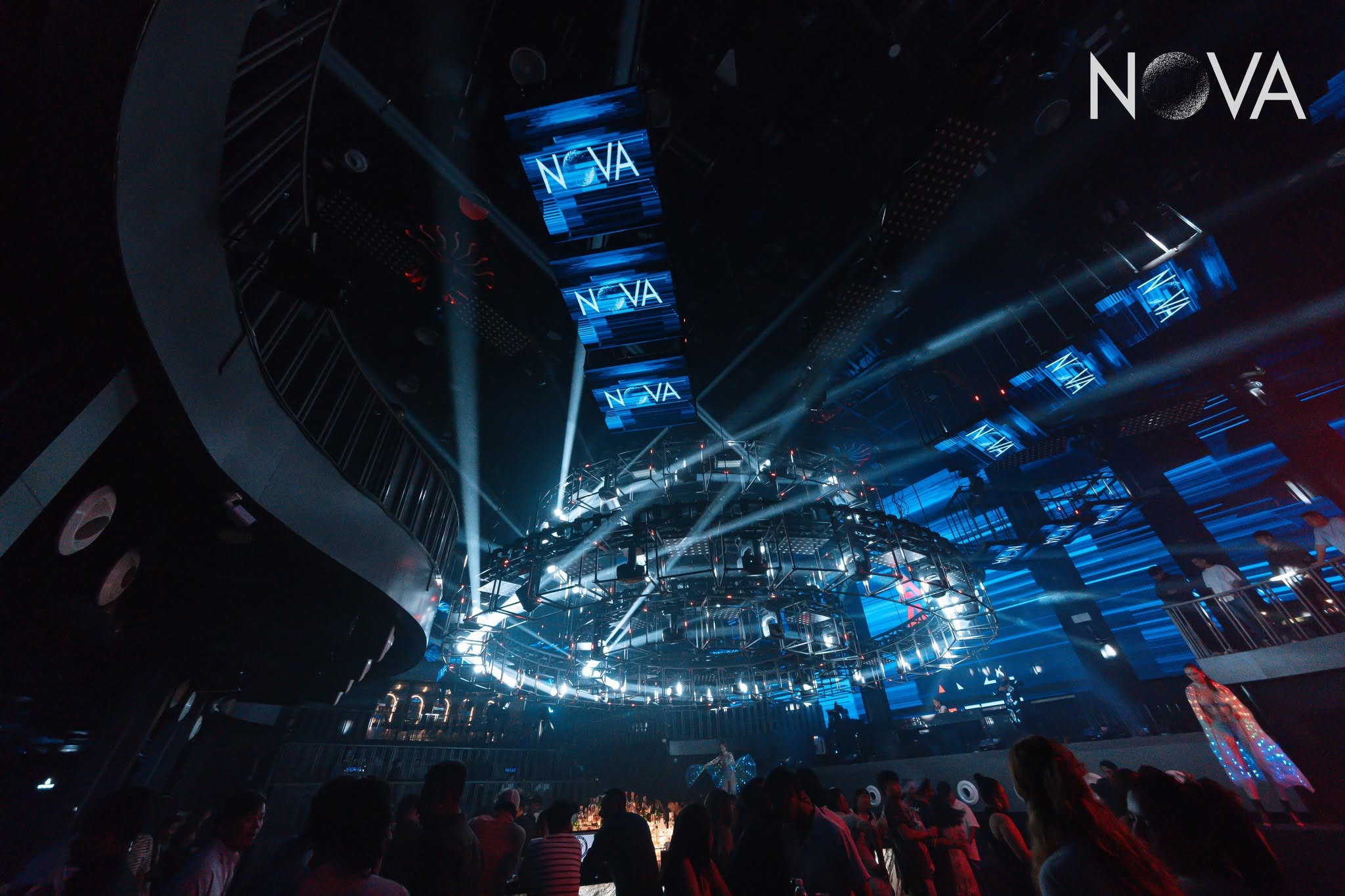
The presence of large anchor venues matters for ambient safety in a specific, practical way. Club Nova on Chaksibari Marg, Nepal’s largest nightclub with a 2,500-person capacity, maintains a crowd in and around its entrance on NOVA FRIDAY nights that keeps the surrounding street populated and lit from roughly 9pm until 4am.
The same applies around LOD on Bhagwati Marg and the cluster of venues on Mandala Street. High foot traffic around known venues means the streets immediately surrounding them benefit from passive crowd safety — more eyes, more activity, less opportunity for opportunistic theft.
Step off the main pedestrian lanes into the smaller side alleys — the “gallis” connecting Thamel’s main streets — after about 10pm, and the picture changes. Lighting drops, foot traffic thins quickly, and the streets empty faster than the main strip suggests. Avoid the narrow gallis after 10pm and stick to the main lit roads. This is the single most consistent piece of practical advice from locals who actually navigate Thamel at night.
Power cuts are less common in Thamel in 2026 than in previous years, but they still happen occasionally — carrying a fully charged phone with a flashlight function is worth the habit, particularly if you’re navigating a less familiar stretch after midnight.
The Real Risks — Specific, Honest, and Calibrated
Getting the risk picture right requires being specific. Thamel’s nighttime risks fall into five distinct categories, each operating at a different frequency and severity level.
Petty Theft — The Most Common Risk
Pickpocketing in crowded bar and club entrances, bag-snatching from open totes on quieter streets, and theft from unattended bags on bar tables and chairs are the most frequently reported safety issues affecting tourists in Thamel at night. These are opportunistic rather than organized, and the crowded queue outside a popular club at 11pm is the peak risk environment — specifically the moment of distraction when you’re focused on getting in rather than on what’s around you.
A cross-body bag worn across the front of the body, kept zipped, removes most of this risk on its own. Keep your phone in a zipped pocket rather than a back pocket or open bag. Don’t leave bags on the back of a chair in a bar — keep them in front of you or between your feet.
The specific Tripadvisor note worth knowing: theft from hotel rooms is also reported, including at mid-range properties. Keep your valuables in a hotel safe, not in your room.
Unlicensed Dance Bars and Scam Venues — The Most Avoidable Risk
This is the category that generates the most alarming-sounding individual reviews — and it’s entirely avoidable once you understand the pattern. A number of venues around Thamel market themselves to tourists as “dance clubs” or “dance bars” and are not legitimate nightlife venues. They are set up to overcharge, pressure customers into inflated bills, and in documented cases, to create situations that escalate into extortion or worse.
The tell is always the same: a tout physically directing you toward a doorway from the street, rather than a venue you found yourself. Every legitimate club and bar in Thamel — Club Nova, LOD, Purple Haze Rock Bar, House of Music, Sam’s Bar — is a name you find through your own research, not somewhere a stranger walked you to. If you’re being actively guided toward a venue by someone who approached you, keep walking toward somewhere you already know.
Drug dealers operate openly around Thamel after dark, particularly near certain lane junctions. This is illegal, and there have been documented instances of dealers working with corrupt contacts to extort money from buyers after a transaction. The risk is avoidable by simply not engaging.
Street Touts and Non-Violent Scams — The Most Frequent Friction
Thamel’s street tout scene is active after dark. Common patterns include: individuals approaching travelers claiming to be guides, offering tours, “interviews,” or blessing ceremonies that always end in a payment request; commission-driven shop recommendations from friendly strangers who seem unprompted; and taxi drivers approaching outside venues offering rides before you’ve reached the street yourself.
None of these involve violence. They are social-engineering scams that depend on a visitor not recognizing the pattern. The operating rule: unsolicited approaches from strangers after dark in Thamel are almost always commercial rather than social.
Legitimate Thamel businesses don’t need to recruit customers from the street.
Harassment — Context-Dependent
Verbal harassment and unwanted attention toward lone travelers — particularly women — is more common in Thamel after dark than during the day, primarily from touts and individuals near the less reputable bar areas. Nepali men are generally described as respectful and polite by the vast majority of visitors, and the Nepal Tourism Board maintains a tourist police presence in Thamel specifically because the area’s profile warrants it.
Serious harassment is rare; the more common experience is persistent verbal approaches that are unpleasant but not dangerous. Walking at a deliberate pace and avoiding eye contact with individuals who approach aggressively removes most of this friction.
Traffic and Infrastructure — The Underrated Risk
Narrow streets, variable lighting, unmarked potholes, motorcycles on footpaths, and chaotic traffic where it does penetrate the pedestrian zone are consistent infrastructure risks in Thamel. The road surface on Chaksibari Marg’s officially pedestrian section is uneven stone — manageable by day, requiring more attention on a dark stretch after midnight. Stiletto heels on Thamel’s cobblestones at 2am is the most frequently mentioned avoidable injury source among visitors.
Traffic risk is also relevant for the trip home: Kathmandu’s road safety statistics are poor by regional standards, with a road traffic fatality rate of 15.1 per 100,000 population. Don’t get on a motorbike with a driver who’s been drinking, and don’t use unlicensed vehicles that won’t have insurance coverage.
Neighborhood Breakdown: Where in Thamel Is Safer Than Others
Thamel is not a single uniform block — it’s a cluster of distinct lanes, and safety varies meaningfully within it.
| Area | Night Safety Level | Notes |
|---|---|---|
| Chaksibari Marg (main pedestrian street) | High | Well-lit, high foot traffic, Club Nova anchors the crowd |
| Paryatan Marg | High | Dense bar and restaurant strip, consistently populated |
| Mandala Street | High | Major nightlife corridor, busy until 2–3am on weekends |
| Tridevi Marg | Medium-high | Connects Thamel to main roads, generally lit and trafficked |
| Smaller connecting gallis (alleys) | Lower after 10pm | Light and foot traffic drop fast, avoid alone after dark |
| Edges of Thamel (east toward Dilli Bazaar) | Lower | Less tourist infrastructure, quieter, more caution needed |
| Durbar Square area | Medium | UNESCO site, quieter at night, fewer crowds than Thamel core |
The safest zone at night is the main lit corridor — Chaksibari Marg through Mandala Street and along Paryatan Marg. Staying within this core rather than venturing into connecting alleys or toward Thamel’s quieter perimeter keeps you in the highest-density, best-lit, and most police-visible section of the neighborhood.
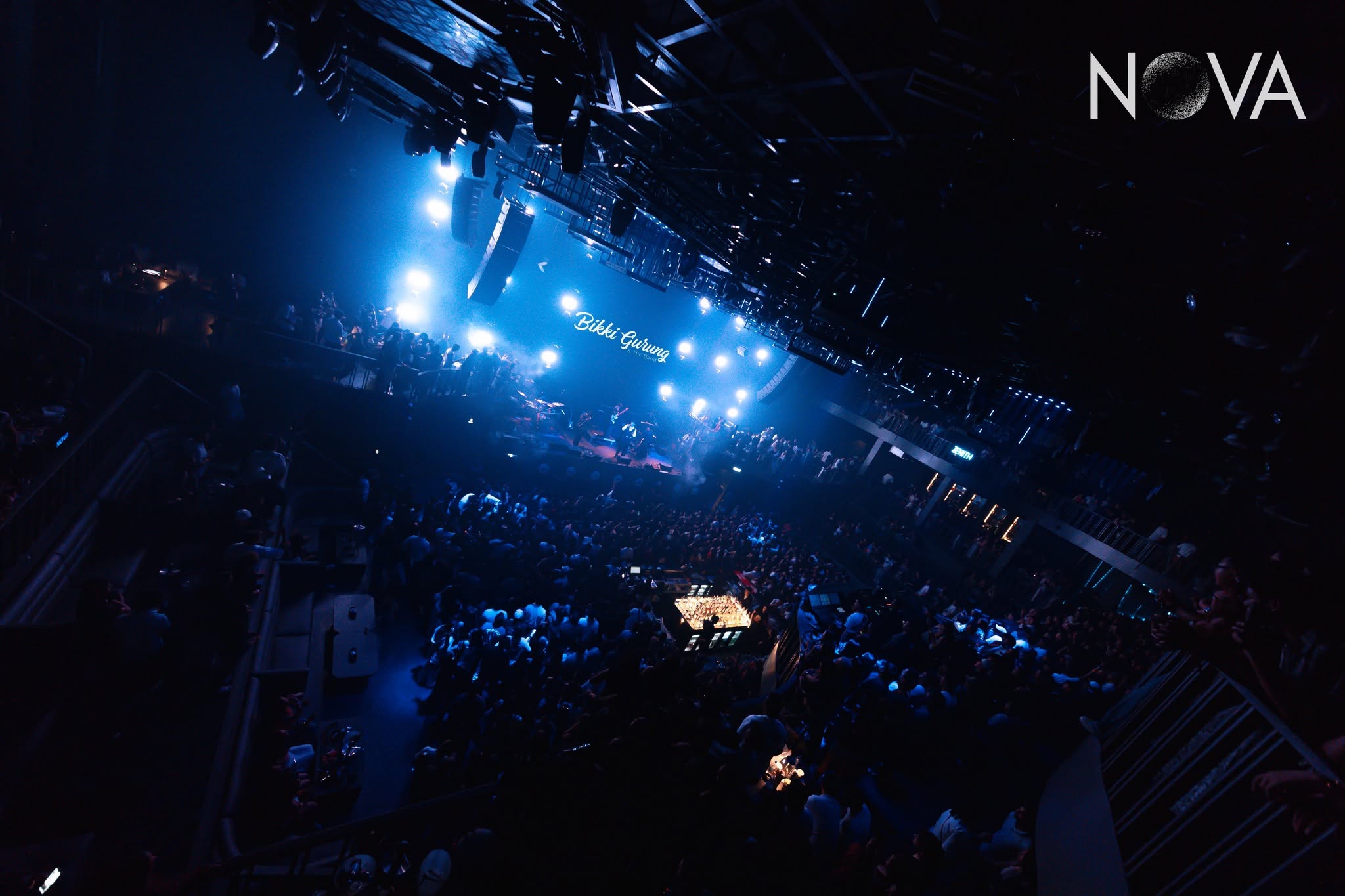
Is Thamel Safe for Solo Travelers at Night?
Yes — with the same calibrated precautions that apply to solo travel in any busy urban tourist district. Solo travel through Thamel at night is common, practiced by thousands of visitors annually without incident, and specifically supported by Tourist Police presence, 24-hour commercial activity, and the social infrastructure built for independent travelers.
The social dimension also works in solo travelers’ favor: Thamel is one of the easier places in the region to not be alone even if you arrived that way. Hostels run social events, guided pub crawls build groups from strangers, and the mix of backpackers, long-term travelers, and expats creates an environment where a solo person at a bar or live-music venue is standard rather than conspicuous.
If the goal is a genuinely solo night where you navigate entirely independently, the main lit strip handles that safely. If the goal is converting solo into social, Thamel’s infrastructure makes it unusually easy.
Practical solo habits worth adding: always have Pathao or InDrive set up on your phone before you go out rather than after, share your rough location or evening plan with someone at your accommodation, and carry enough cash that you’re not relying on an ATM after midnight (when ATM availability and card-skimming risk are both more relevant than during the day).
Is Thamel Safe for Solo Female Travelers at Night?
Yes — and the evidence base for this is strong enough to say it clearly rather than hedge it into uselessness.
Nepal consistently ranks as one of the safer South Asian countries for solo female travelers. The cultural philosophy of Atithi Devo Bhava — the guest is god — is a genuine social value in Nepal, not just a tourism slogan, and it shapes how locals actually interact with foreign visitors. Violent crime against foreign women is extremely rare and widely reported when it does occur — its newsworthiness reflects its rarity. The majority of women who travel solo through Nepal, including through Thamel’s nightlife, report feeling comfortable and respected.
The realistic risks for solo women in Thamel at night are specific and non-violent:
- Verbal harassment and unwanted attention from touts and individuals near the less reputable bar areas is the most common friction point — unpleasant but manageable with a deliberate walk and minimal engagement. Walking with purpose, making it clear you have a destination, and avoiding extended eye contact with individuals who approach aggressively removes most of this in practice.
- Drink spiking has been reported in a small number of bar-heavy areas in Thamel. The risk is low but real — keep a close eye on your glass at late-night venues, don’t accept drinks from strangers you’ve just met, and don’t leave a drink unattended on a dance floor.
- The specific street advice: while it’s safe to walk Thamel’s well-lit main strips at night, avoid the dark, narrow side alleys after 10pm. If you’ve had a few drinks, always have your hostel or hotel arrange a specific taxi, or use a ride-hailing app. Never get into an unmarked car or accept a ride from someone who approached you.
A genuinely useful 2026 development: women-only guided evenings launched in early 2026, led by local female guides who know the city and culture. For solo female travelers who want a curated, guided introduction to Kathmandu’s nightlife before exploring independently, this is now a real option through several Thamel tour operators.
Legal Framework: What Rules Actually Govern Thamel at Night
Understanding the legal structure of Kathmandu’s nightlife removes several sources of uncertainty that first-time visitors often don’t know how to navigate.
- Closing times are tiered: Kathmandu Valley authorities operate a tiered closing-time system by venue type. Full discotheques and clubs — including Club Nova, LOD, Fire Club, and Ibyza — are permitted to operate until around 4am, with some venues like Fire Club running until 6am. Lounges and dance bars are generally permitted until around 2am. Restaurants typically close around midnight. This means the quiet that descends on Thamel’s restaurant strip after midnight is not the end of the night — the clubs are still running.
- Legal drinking age: The legal drinking age in Nepal is 18, applied consistently at licensed venues across Kathmandu. Retail off-premises alcohol sales from shops are restricted to set daytime and early-evening hours, but licensed bars and clubs serving on-premises are not subject to the same restriction.
- Drink-driving enforcement: Nightly breathalyzer checkpoints run across Kathmandu under a sustained police campaign. Refusing the test carries the same penalty as failing it. If you’ve been drinking, the rule is absolute: don’t drive, don’t get on a motorbike with someone who has been drinking. Use Pathao, InDrive, or a pre-arranged taxi.
- Drug laws: Possession, use, and supply of illegal substances — including cannabis, which is offered openly to tourists in Thamel despite being illegal — carries real criminal penalties in Nepal. The perception that Nepal is permissive on drugs because of its historical association with cannabis culture is outdated and specifically wrong for 2026. Enforcement is inconsistent but real, and the additional risk of being targeted for extortion after a purchase is a documented pattern.
- Bandhas (strikes): On days when a bandha is declared, transport stops, shops close, and movement across the city is affected. Your hotel’s front desk will know by the previous evening if one is planned. Bandhas rarely affect Thamel’s core nightlife venues, which tend to stay open regardless, but they affect getting to and from the area.
- Tourist Police: A dedicated Tourist Police presence operates in Thamel specifically. The Tourist Police helpline is +977-1-424-7041 or the national number 1144. In an emergency, Tourist Police are the first-line contact for visitors — they are English-speaking and specifically trained for tourist situations.
Transport Safety: Getting to and from Thamel at Night
Transport is where the majority of avoidable safety problems occur in Thamel at night — not on the streets, but in taxis and vehicles.
- Ride-hailing apps (Pathao and InDrive) are the strongest recommendation for getting home after a night out. Both apps fix the fare before the ride starts, provide a trackable journey, and remove the most common late-night dispute entirely — the taxi driver who renegotiated after arrival, or quoted one price and demanded another at the destination. Both apps cover Thamel reliably through the early hours on weekend nights. The practical move is to set both apps up before you go out, not when you need them at 2am.
- Street taxis — metered or flat-rate — are available but require specific handling. Always agree on the fare out loud before getting in the car, or insist the meter runs. Never get into a taxi where the driver is unwilling to agree to a price before you move. On busy late nights, surge pricing equivalent affects street taxi demand and some drivers will refuse short trips or inflate prices accordingly.
- Unmarked cars: Never accept a ride from an unmarked vehicle or from someone who approaches you offering a lift. This is the category where the most serious incidents involving vehicles have occurred.
- Walking: Walking is safe on the main lit strips of Thamel at any hour that the strip stays populated. The practical cutoff for solo walking in unfamiliar areas is around 1am, when foot traffic on secondary streets drops enough to change the risk profile. Beyond the main pedestrian core after 1am, walking alone is not recommended — not because of high crime probability, but because the combination of poor lighting, uneven surfaces, and reduced passive surveillance from other pedestrians increases general exposure.
- Group transport: For a group of six to eight people finishing at Club Nova or LOD after 3am, pre-arranging a van or microbus through your hotel for the return journey removes the logistical problem of coordinating multiple ride-hailing bookings at an hour when everyone is tired and the apps show surge pricing.
Comparing Thamel to the Rest of Kathmandu at Night
Understanding how Thamel sits relative to the rest of the city calibrates your sense of its actual safety level.
| Area | Night Safety | Infrastructure | Best For |
|---|---|---|---|
| Thamel (main strip) | High relative to Kathmandu | Best lit, highest foot traffic | Nightlife, dining, socializing |
| Durbar Marg | High | Well-lit, local professional scene | Upscale bars, quieter evenings |
| Lazimpat | Medium-high | Moderate lighting, lower traffic | Expat bars, The Irish Pub, quieter scene |
| Jhamsikhel / Patan | Medium | Quieter, locally oriented | Local scene, not built for late tourists |
| Residential Kathmandu | Medium-low | Variable lighting, low foot traffic | Not relevant for nightlife |
| Thamel side gallis (alleys) | Lower after 10pm | Poor lighting, low traffic | Avoid alone after dark |
Thamel is, by consistent local and traveler accounts, the safest part of Kathmandu to be in after dark, specifically because its tourist infrastructure creates the density, lighting, and passive surveillance that makes opportunistic crime less rewarding and more visible.

Practical Safety Habits That Actually Work
These are the habits that consistently separate visitors who have good nights from those who don’t — derived from patterns in real traveler experiences and local knowledge rather than generic caution-tape advice.
Before you go out:
- Set up Pathao and InDrive on your phone and confirm they work. Doing this at midnight when you need a ride home is too late.
- Leave your passport in your hotel safe and carry a photo of it instead. Hotels in Nepal are required to keep a copy at check-in — a photocopy in your wallet covers any ID request you’ll encounter.
- Tell someone at your accommodation your rough plan for the evening, even informally. This costs nothing and provides a meaningful safety net.
- Have the Tourist Police number (+977-1-424-7041) saved in your phone before you need it.
- Check whether a bandha is planned the next morning — your hotel knows.
On the main street:
- Keep your phone in a zipped front pocket or a crossbody bag across the front of your body.
- Don’t use your phone while walking in a crowd — the moment you’re distracted is the moment of highest pickpocketing risk.
- Walk with a purpose and a consistent pace. Slow, uncertain walking marks you as someone who can be approached repeatedly.
- Avoid eye contact with individuals who are clearly working the street for commission or touts — engaging, even briefly, prolongs the interaction.
In bars and clubs:
- Watch your drink being poured at the bar, and don’t leave it unattended on the dance floor.
- Don’t accept drinks from strangers you’ve just met, regardless of how friendly the offer seems.
- Keep your bag in front of you on the dance floor — not behind you, not on a chair next to you.
- Ask for an itemized bill before paying, especially at the bigger clubs where billing transparency issues have been documented.
- Confirm pricing on any extras — lockers, tables — before committing to them.
Getting home:
- Use Pathao or InDrive. Fix the fare before the ride starts.
- If you must use a street taxi, agree on the price out loud and confirm it before the car moves.
- Don’t walk through unfamiliar side alleys alone after 1am.
- Don’t get on a motorbike with a driver who has been drinking.
What to Do If Something Goes Wrong
- Lost or stolen valuables: Report immediately to the nearest police post in Thamel or contact the Tourist Police on +977-1-424-7041 (also reachable on the national number 1144). A police report is required for any insurance claim. Tourist Police in Thamel are English-speaking and specifically trained for visitor situations.
- Medical emergency: Norvic International Hospital (+977-1-4258554) and CIWEC Hospital (+977-1-4424111) are the most consistently recommended hospitals for foreign visitors in Kathmandu. Medical treatment is not covered by the Government of Nepal — travel health insurance that covers medical evacuation is strongly recommended before arrival, not after you need it.
- Drink-spiking concern: If you or someone you’re with shows sudden unexpected symptoms — extreme disorientation, loss of motor control, confusion disproportionate to alcohol consumed — leave the venue immediately, contact your accommodation for help, and seek medical attention. Don’t leave the person alone.
- Overcharging dispute at a venue: Ask for an itemized bill. If the venue refuses, note the items in dispute specifically, pay what you can verify, and report to Tourist Police immediately outside the venue. Taking a photo of the bill or the menu before paying protects you in a dispute.
- A situation that feels wrong: Trust your instincts and leave. The most consistent advice from experienced travelers in Thamel is that situations that become serious almost always started with a feeling of something being slightly off that was overridden by politeness or uncertainty. If it feels wrong, walk toward the nearest lit, crowded area and reassess from there.
Seasonal Considerations
Thamel’s safety profile shifts slightly across the year in ways worth knowing.
- October–November (peak season): The busiest tourist period, the most crowded main strip, and the highest concentrations of both genuine travelers and opportunistic touts. This is when pick-pocketing risk is at its annual peak — more crowded queues outside clubs, more shoulder-to-shoulder conditions on the main street. It’s also when the clubs are at their most produced and the city at its most energetic.
- December–February (winter): Fewer tourists, quieter streets after midnight, and a slightly different after-dark character. Power cuts become more relevant in winter — carry a charged phone. The clubs still run but with noticeably thinner mid-week crowds.
- March–May (spring season): Second peak tourist window, similar conditions to October–November.
- June–September (monsoon): Heavy rain, flash-flood risk in the valley, and reduced foot traffic on outdoor streets. Nightlife venues continue operating, but wet street surfaces add a practical hazard to Thamel’s already uneven paving. Travel health insurance should cover monsoon-related disruption if trekking is planned adjacent to a Kathmandu night.
Frequently Asked Questions about Is Thamel Safe at Night
Is Thamel safe at night in 2026? Yes — Thamel is generally safe at night, particularly on the main lit pedestrian strip. The realistic risks are petty theft, street scams, and the specific pattern of unlicensed “dance bars.” Violent crime against tourists is rare. Standard precautions cover the vast majority of risk.
What time does Thamel become unsafe at night? There’s no fixed time at which Thamel “becomes unsafe” — the main strip stays lit and populated well past midnight on weekends. The relevant change is around 1am on quieter nights, when secondary streets and side alleys thin out enough that walking alone there is not advisable.
Is Thamel safe for solo female travelers at night? Yes, with standard precautions — stick to the main lit strip, watch your drink, use Pathao or InDrive rather than walking home alone late, and avoid the narrow side alleys after 10pm. Violent crime against foreign women is extremely rare. Verbal harassment from touts is the more realistic friction point.
What are the main risks in Thamel at night? In order of frequency: petty theft (pickpocketing in crowded areas), street scams and touts, unlicensed “dance bar” venues that inflate bills, drink spiking at a small number of bar-heavy venues (low probability but worth knowing), and traffic/infrastructure hazards on uneven streets.
Is the US travel advisory Level 2 a reason not to visit Thamel? No. The Level 2 advisory reflects Nepal’s overall political fragility following the 2025 protests, not Thamel-specific crime. Level 2 is the same classification applied to dozens of popular global destinations including France and Germany during certain periods. Tourist areas like Thamel are the least likely parts of Kathmandu to be affected by the political unrest that generated the advisory.
What is the Tourist Police number in Thamel? +977-1-424-7041, or the national number 1144. Tourist Police in Thamel are English-speaking and specifically trained for visitor situations.
Are the nightclubs in Thamel safe? Established, named clubs — Club Nova, LOD, Purple Haze Rock Bar, House of Music — are safe and legitimate. The risk is specifically with unlicensed “dance bars” operated from street level without a real door or verifiable reputation. Go directly to named venues rather than anywhere a stranger on the street directed you toward.
What app should I use to get home safely from Thamel at night? Pathao and InDrive — both fix the fare before the ride starts, track the journey, and remove the most common late-night taxi dispute. Set them up before you go out, not when you need them.
Is Thamel safer than other parts of Kathmandu at night? Yes — by most accounts, it’s the safest part of the city to be in after dark, specifically because its tourist infrastructure produces the density, lighting, and active commercial presence that makes opportunistic crime less rewarding and more visible than in quieter residential areas.
What should I avoid in Thamel at night? The narrow side alleys after 10pm, venues that touts on the street are physically directing you toward, unlicensed drugs, unmarked vehicles, drinks from strangers, and unmetered taxis where the fare isn’t agreed before the car moves.
Final Take on is Thamel Safe at Night
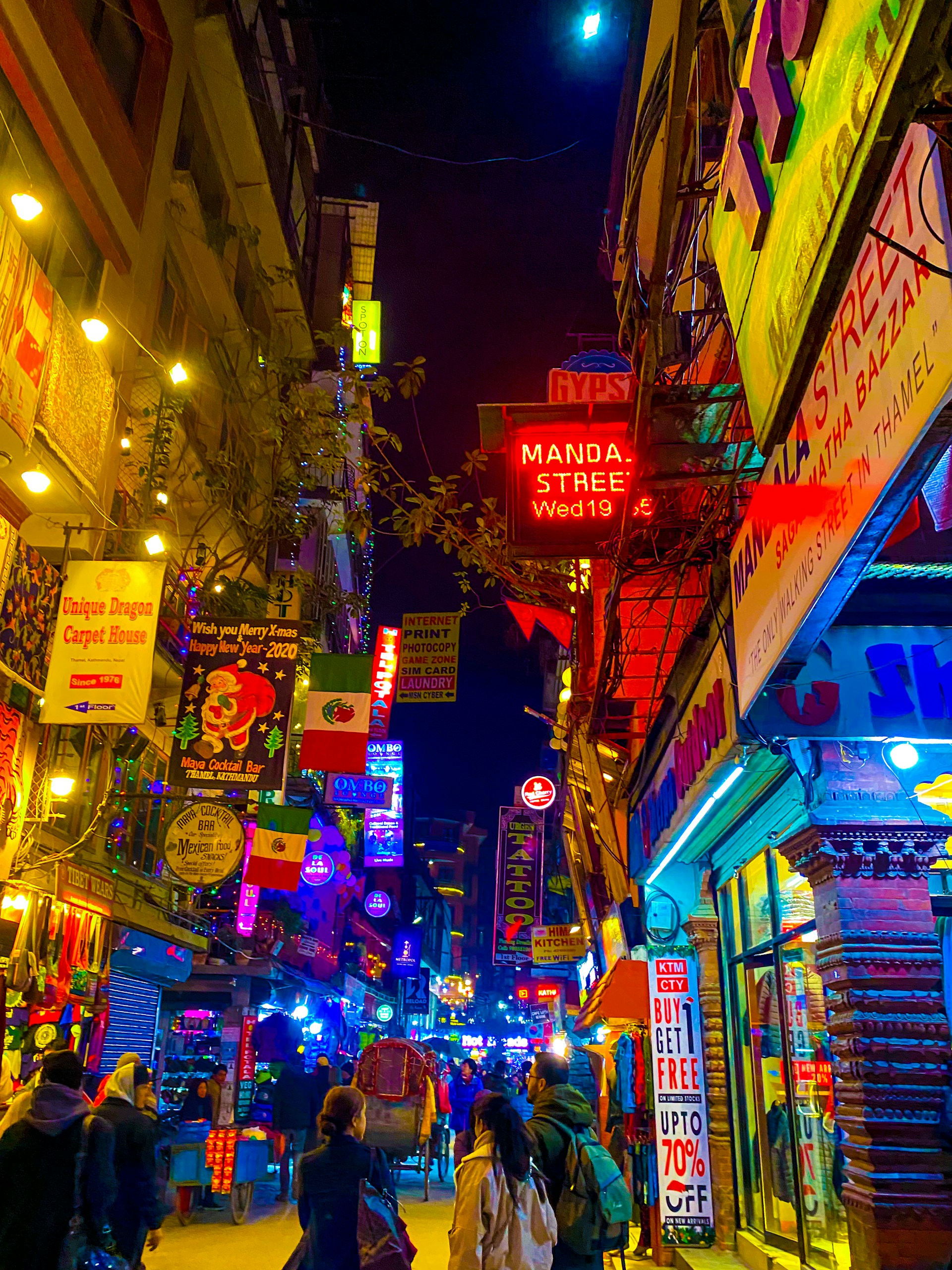
Thamel at night in 2026 is a genuinely safe environment for the vast majority of visitors making the vast majority of decisions correctly. The US Level 2 advisory reflects Nepal’s broader political context after the 2025 protests — not the experience of a Friday night out on Chaksibari Marg. The UK FCDO has no advisory against travel at all. The risks worth planning around are specific and avoidable: petty theft in crowded spaces, street scams and unlicensed venues, drink safety at late-night bars, and the trip home after midnight.
Do all of the following and your safety risk in Thamel at night is close to negligible: stick to the main lit strip, go directly to named venues with verifiable reputations, watch your drink, keep valuables in a zipped front bag, use Pathao or InDrive for the ride home, and avoid the side alleys after dark. Get those right, and Thamel at night is exactly what its reputation promises — busy, a little chaotic, and genuinely fun.
Leave a Reply