
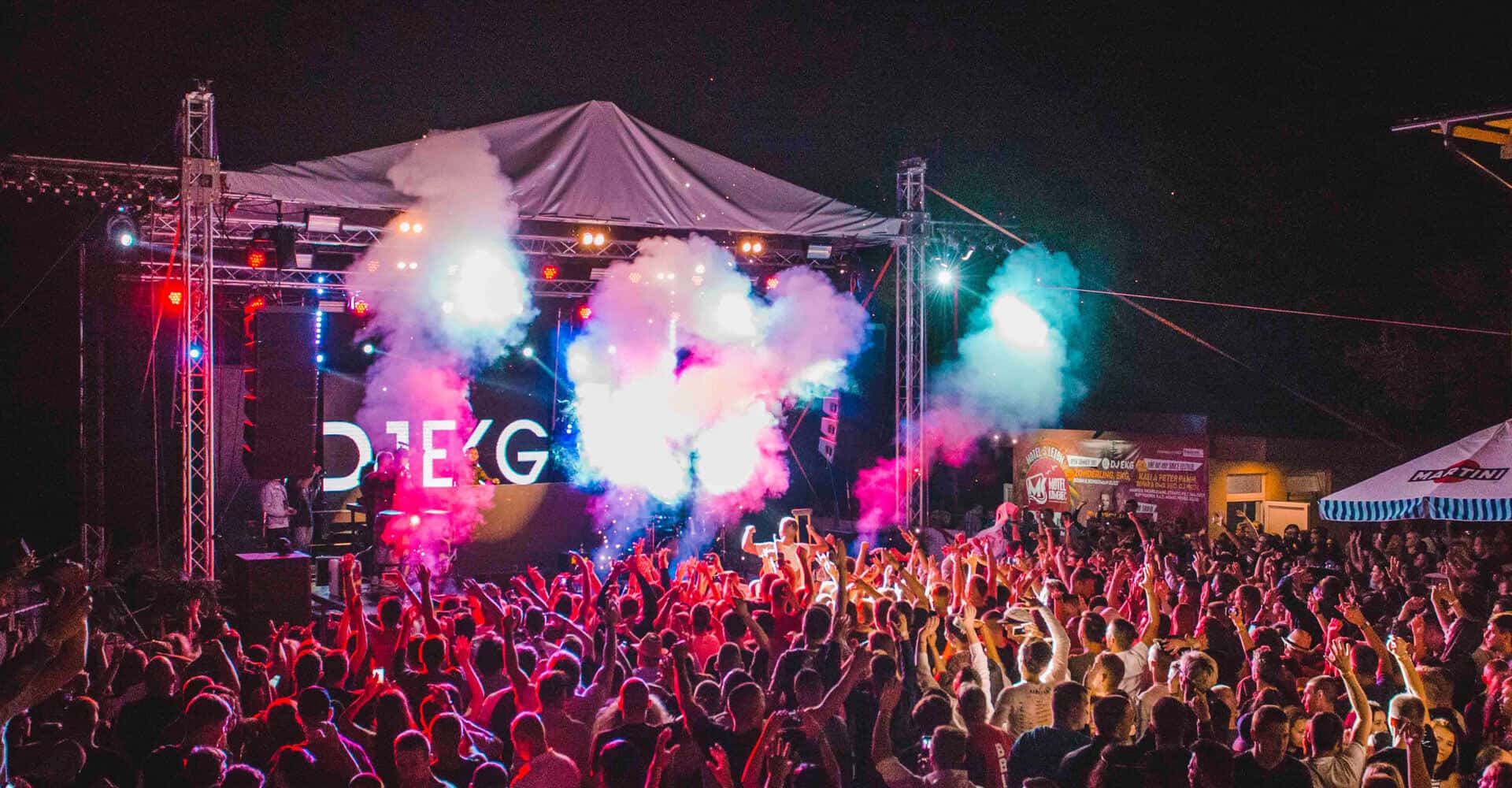
If you ask five different people in Thamel what time the clubs close, you’ll probably get five different answers — “2 AM,” “until sunrise,” “whenever the police feel like it,” “depends on the venue,” and “check Instagram before you go.” All five answers have been true at different points, which is exactly why this question deserves a real, detailed guide rather than a single number.
Kathmandu’s nightlife closing times aren’t governed by one simple rule the way they might be in a city with a single, consistently enforced curfew — they follow a tiered system that varies by venue type, they’ve shifted meaningfully over the past decade, and enforcement has swung between genuinely relaxed and unexpectedly strict depending on the political and social mood of the moment.
This guide breaks down exactly what “how late” actually means in Kathmandu right now — the official tiered closing-time structure by venue category, how specific major venues like Club Nova and LOD (Lord of the Drinks) operate in practice, how weeknights differ from weekends, how Thamel compares to Kathmandu’s other nightlife pockets, and the practical details (cover charges, dress codes, late-night food, getting home safely) that actually shape a night out.
Every detail here is checked against current 2026 information, with a clear note wherever rules or enforcement have shifted or vary by source, since Kathmandu’s nightlife scene is genuinely one of the faster-moving aspects of the city to research.
The Short Answer to how Late Do Clubs Stay Open in Kathmandu
Kathmandu’s nightlife runs on a tiered closing-time system, meaning “how late” depends heavily on what kind of venue you’re at.
| Venue type | Typical closing time |
|---|---|
| Restaurants | Roughly midnight |
| Lounges and dance bars | Roughly 2 AM |
| Full discotheques and nightclubs | Roughly 4 AM |
| 24-hour food spots (a small handful) | Genuinely round-the-clock |
The practical takeaway: if you’re looking for the latest possible night out in Kathmandu, you want a genuine nightclub or discotheque rather than a bar or lounge — that’s where the 4 AM closing time applies, while everything else winds down considerably earlier in the tiered structure.
Where This System Applies
This tiered structure is specifically a Kathmandu Valley regulation, meaning it governs venues across the greater Kathmandu metropolitan area, not just Thamel specifically — though Thamel remains overwhelmingly where the concentration of late-closing venues actually exists, since it’s the district with the highest density of clubs, bars, and lounges catering to both tourists and the local nightlife-going population.
A Brief History: Why “How Late” Has Changed Over Time
Understanding the current rules is easier with some context on how Kathmandu’s nightlife hours got here, because this is genuinely a scene that’s shifted noticeably over the past two decades.
The Early 2000s and Before
In earlier decades, nightlife options in Kathmandu were considerably more limited — big four- and five-star hotels would periodically hold DJ parties featuring Bollywood and Western music, but dedicated club venues in the modern sense were relatively rare.
Post-Conflict Growth (Mid-2000s Onward)
Nepal’s decade-long internal conflict formally ended in 2006, and it was around this period that more dedicated music venues and clubs began appearing in Thamel and nearby areas, marking the start of the neighborhood’s transformation into the nightlife hub it’s known as today.
Periodic Crackdowns
Nightlife hours in Kathmandu haven’t followed a single, unbroken trajectory toward later and later closing times. At various points, authorities have tightened enforcement and required venues to close considerably earlier — sometimes as early as 10 or 11 PM — generally tied to broader public order or safety concerns of the moment.
The 2015 Shift Toward 24-Hour Operation
At the end of 2015, a decision was made allowing Thamel to operate on a 24-hour basis — a genuinely significant relaxation of prior restrictions, though the timing coincided with a quieter period for tourism (winter season, reduced visitor numbers, and a fuel shortage affecting the country at the time), which somewhat muted the immediate practical impact of the change.
The Current Tiered System (2026)
Today’s structure — restaurants to roughly midnight, lounges and dance bars to roughly 2 AM, full clubs and discotheques to roughly 4 AM — represents the current, more codified approach to nightlife hours across Kathmandu Valley. It’s worth noting that some sources describe official rules as technically stricter (with a nominal midnight closing requirement historically) while actual enforcement has often been considerably more relaxed in practice — a gap between official policy and real-world enforcement that’s been a recurring feature of Kathmandu’s nightlife scene for years.
Given this history of shifting enforcement, treating any specific closing time as absolutely fixed is less reliable than checking current conditions closer to your visit.
Major Venues and Their Actual Hours
Club Nova
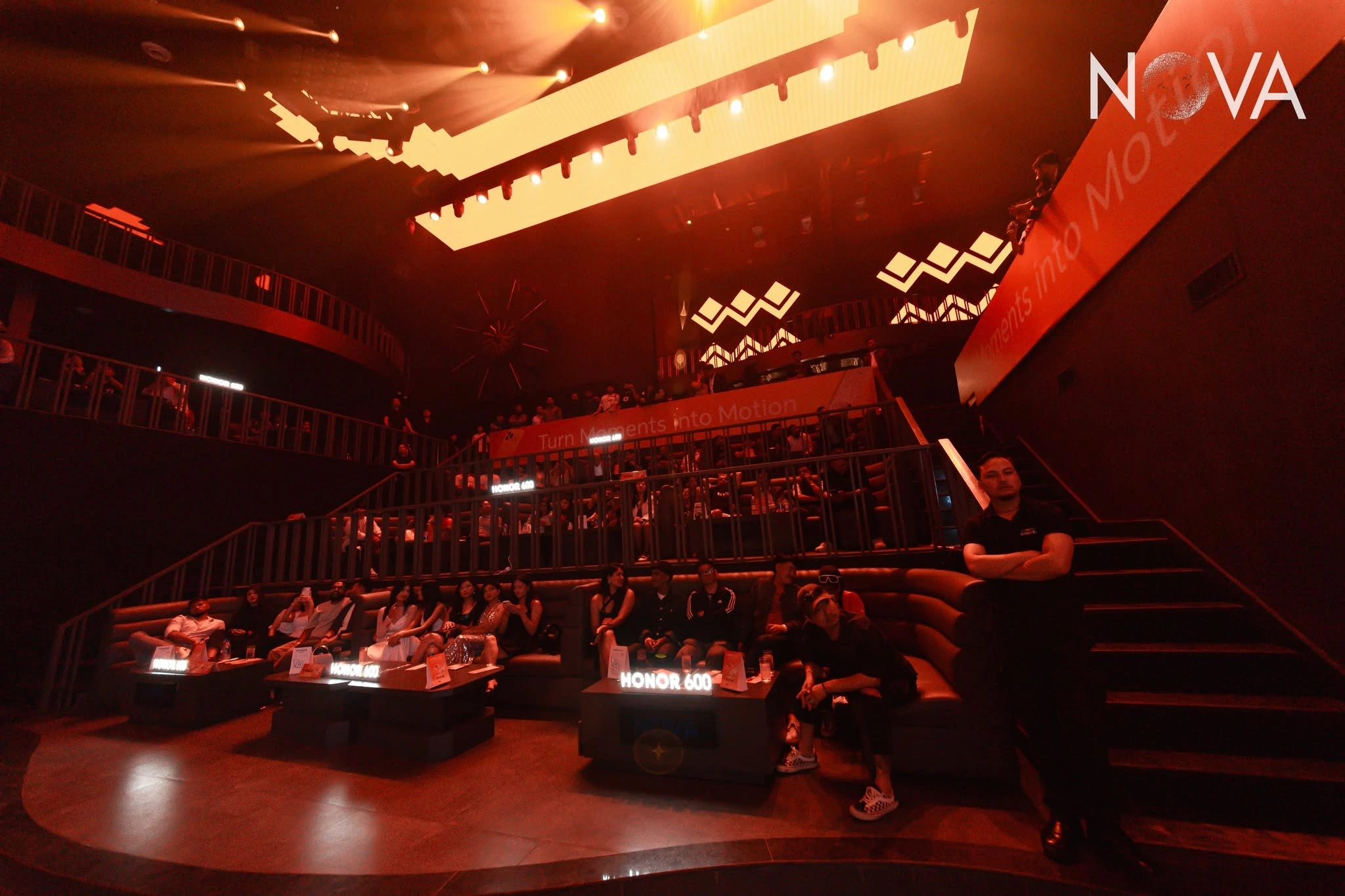
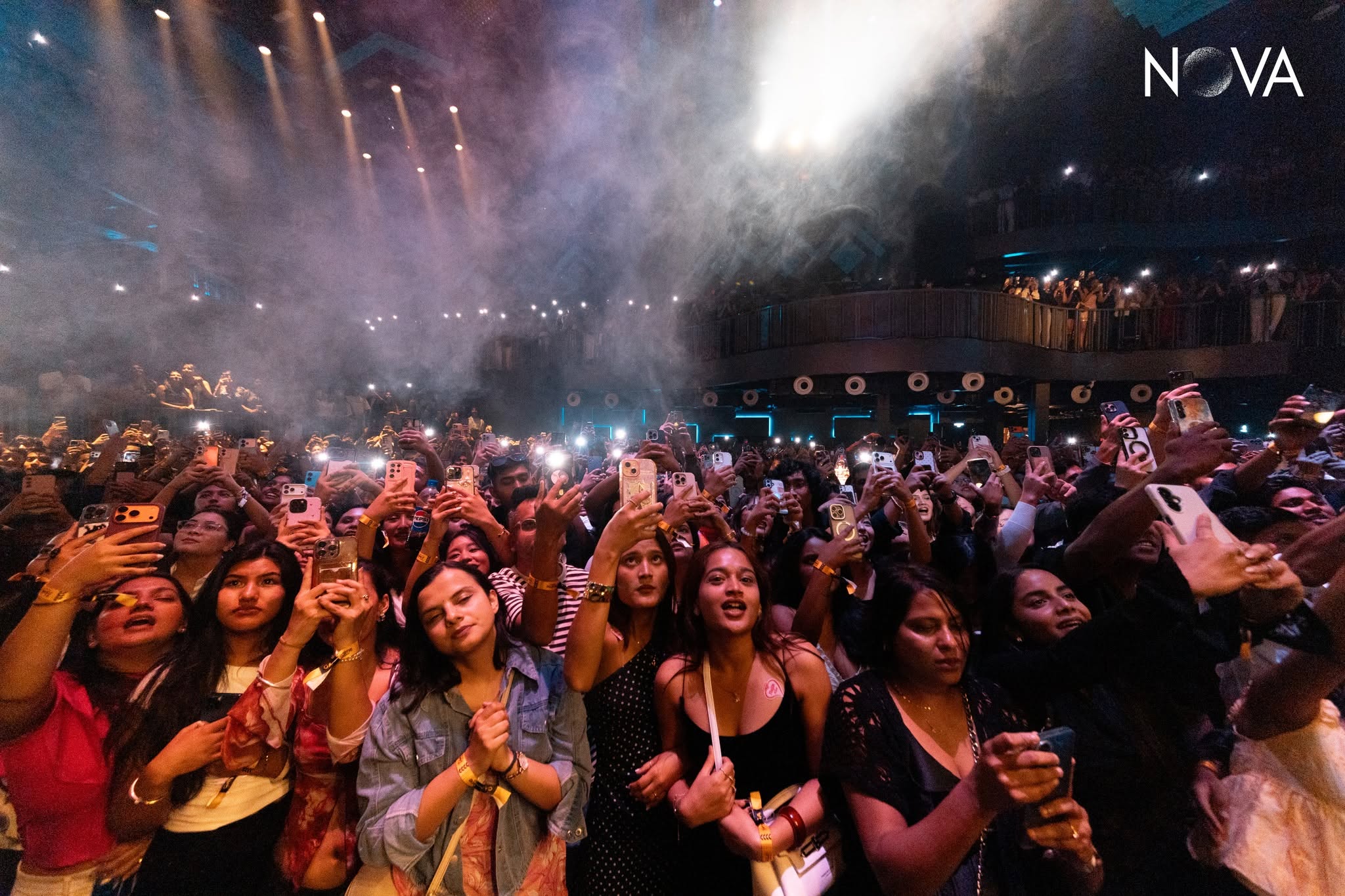
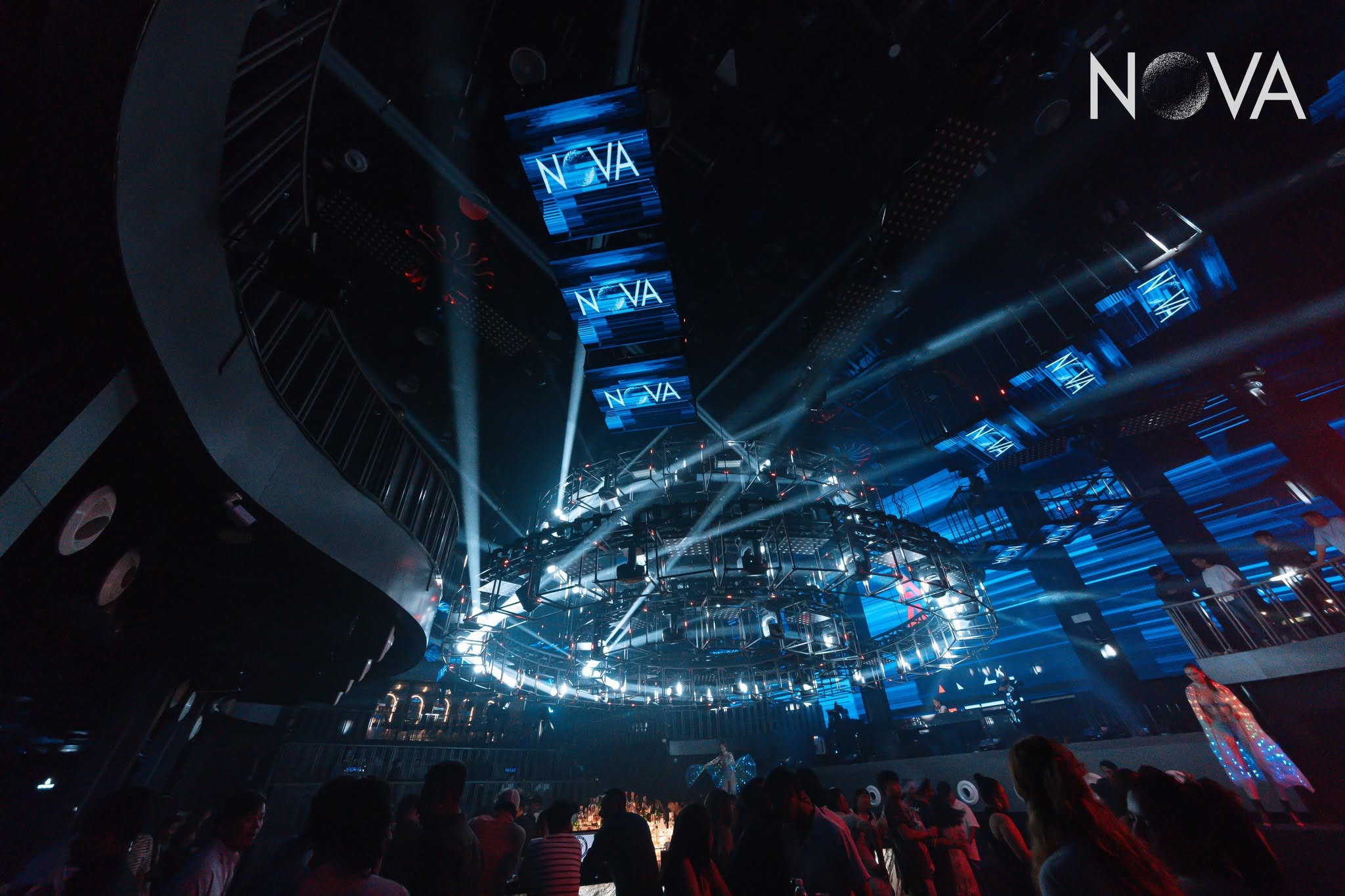
Located on Chaksibari Marg in the heart of Thamel’s main pedestrian core, a short walk from Thamel Chowk, Club Nova operates under Kathmandu Valley’s standard rules for full nightclubs and discotheques, generally permitting operation until around 4 AM — later than restaurants (roughly midnight) and lounges or dance bars (roughly 2 AM).
The venue’s signature weekly night, often referred to as its flagship Friday event, features resident and guest DJs with a full lighting and sound setup, and is consistently cited as the busiest single night on Thamel’s club calendar.
LOD (Lord of the Drinks)
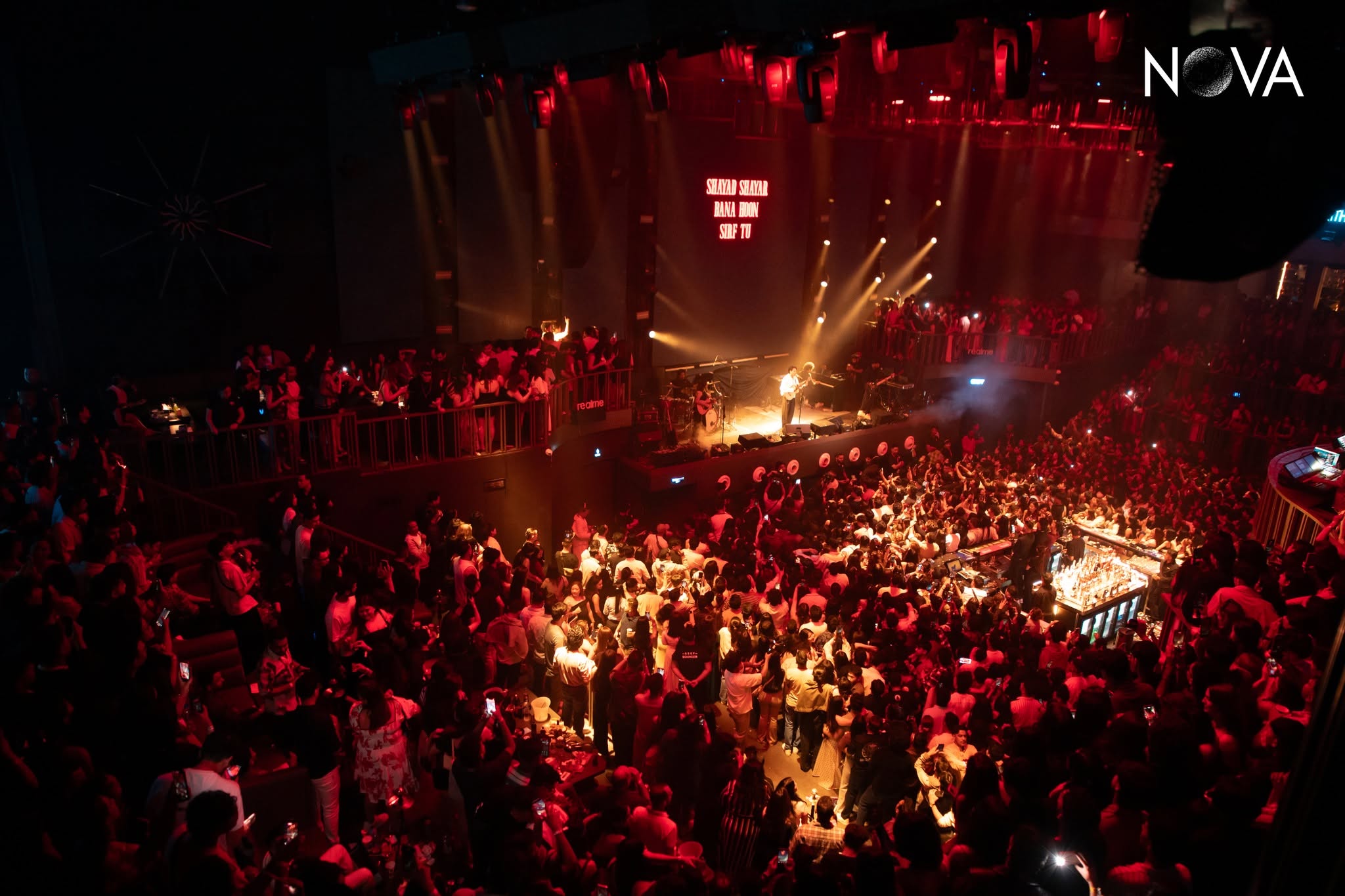
Also located in Thamel, LOD is one of the two names that come up in almost every conversation about Kathmandu nightlife, alongside Club Nova. The venue gained international recognition, having been featured in DJ Mag’s global club rankings in 2024, and is known for a concert-style stage setup and a long-running reputation among both local residents and tourists. LOD’s rooftop is frequently described as the venue’s biggest dance floor, DJ-led, and particularly packed on Fridays and Saturdays.
Most Thamel clubs, including venues like LOD, generally wind down around 2 AM on a typical night, though flagship weekend nights and the venue’s own specific licensing tier can push later, closer to the 4 AM ceiling that applies to full discotheques.
Other Notable Venues
| Venue type | Examples | What they offer |
|---|---|---|
| Live music/rock venues | Purple Haze Rock Bar, House of Music | Band-driven nights and live rock rather than DJ sets — generally closing earlier than full discotheques, more in line with the lounge/bar tier |
| Quieter lounges | Sam’s Bar, various Thamel rooftop lounges | Conversation-friendly atmosphere, generally closing around the 2 AM lounge tier |
| Karaoke venues | Various KTV lounges scattered through central Thamel | Group-oriented nights, generally operating on bar/lounge hours rather than late club hours |
| Rooftop bars | Sky Lounge and others | Busier later in the night, DJ-led, popular with tourists |
Weeknight vs. Weekend: How Hours and Crowds Differ
| Night | Crowd level | Closing time pattern |
|---|---|---|
| Monday-Tuesday | Generally quiet | Many venues may close earlier or have reduced programming |
| Wednesday-Thursday | Building momentum, often “ladies’ nights” | Cover charges frequently waived for women; a lighter but still active scene |
| Friday-Saturday | Busiest nights of the week by a wide margin | Venues most likely to stay open toward the full 4 AM ceiling for full clubs |
| Sunday | Generally quieter, winding down from the weekend | Earlier closing more common |
Friday and Saturday are consistently identified as the busiest nights across virtually every source covering Kathmandu’s nightlife scene — if you’re specifically chasing the latest possible night out, these are the nights most likely to see venues actually operate toward their full permitted closing time rather than winding down early due to thin crowds.
Seasonal Variation
| Season | Effect on the nightlife scene |
|---|---|
| May-September (warmer months) | Generally the busiest overall season for partying, given more comfortable weather for a night out |
| Just after Diwali (typically late October/early November) | A notably lively period, tied to post-festival celebration energy |
| Winter (December-February) | Generally quieter, with colder temperatures affecting turnout, though clubs remain open |
| Monsoon (June-August) | Overlaps with the warmer-weather busy season, though heavy rain on any given night can affect turnout |
A practical note for winter visitors: bars and clubs in Kathmandu are rarely well-heated, so bringing a jacket even for an indoor night out is genuinely worth doing during the colder months.
Where the Nightlife Actually Happens: Neighborhood Breakdown
Thamel: The Center of Everything
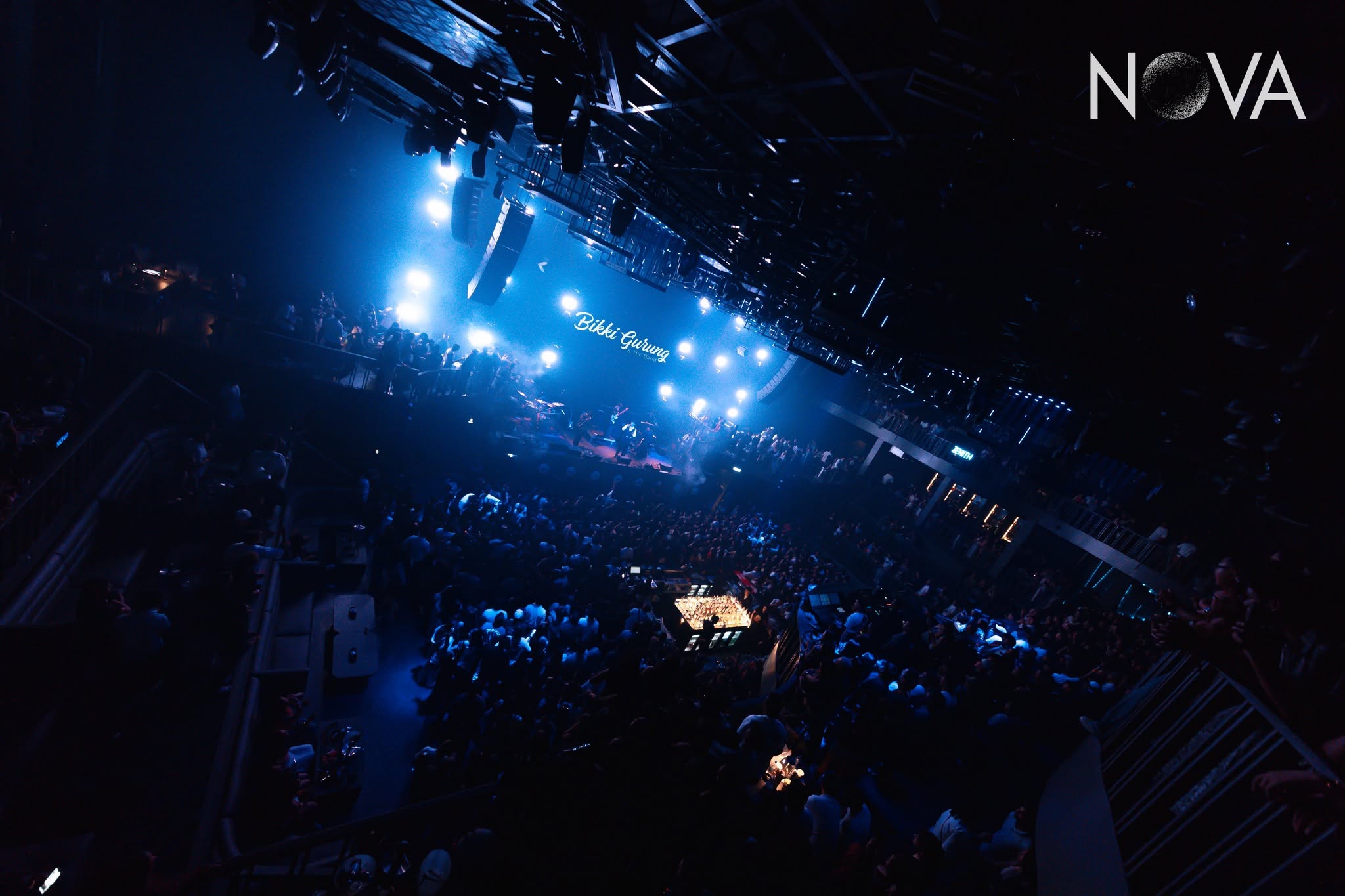
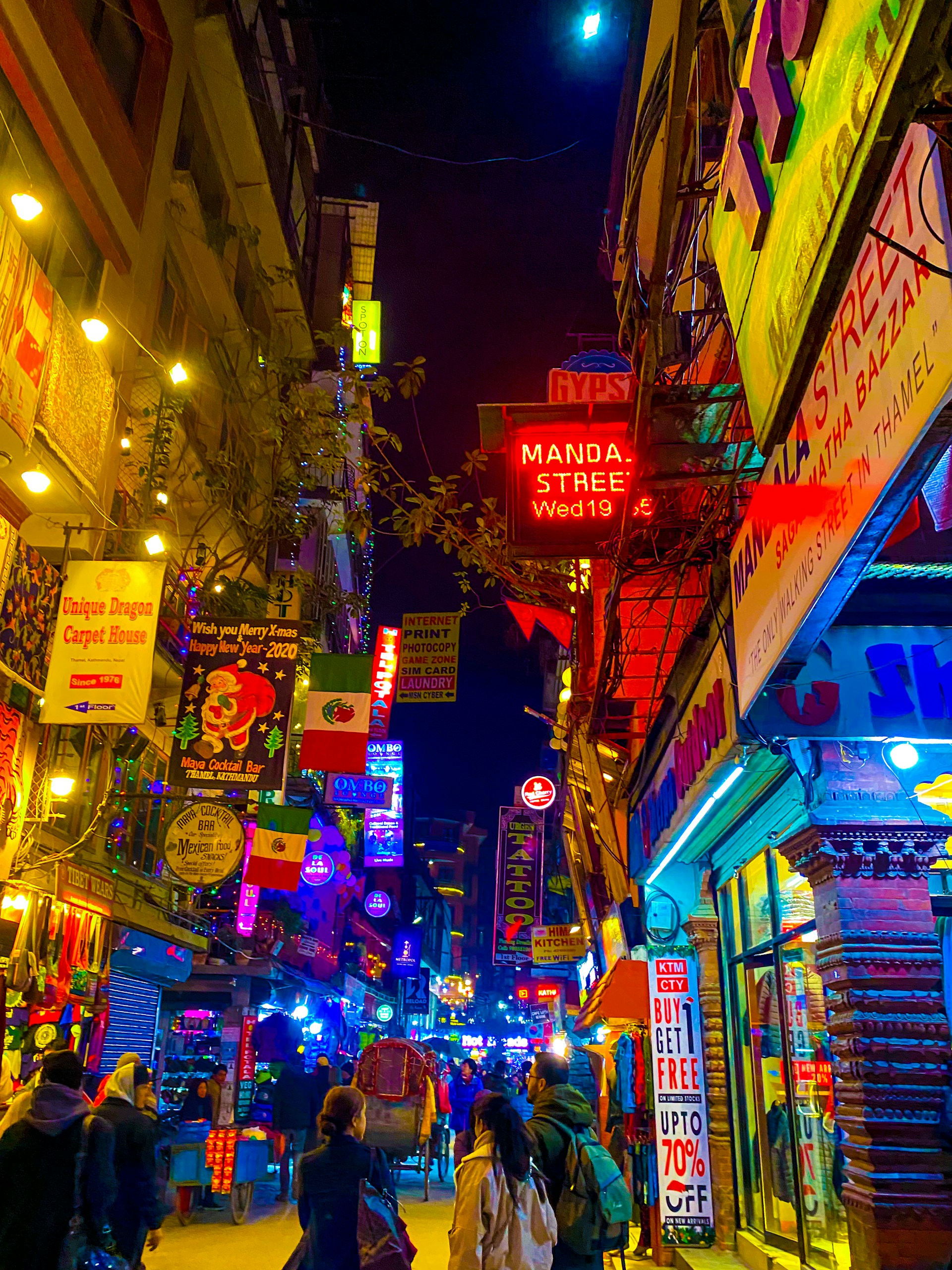
Thamel is overwhelmingly where the concentration of Kathmandu’s nightlife exists — it’s the tourist quarter, and for good reason, since it’s walkable, dense, and has by far the highest concentration of clubs, bars, and live-music venues in the city. Within Thamel specifically, the intersection between Chaksibari Marg and Paryatan Marg is widely cited as the best starting point for a night out, since from there it’s an easy walk to dozens of cafés, restaurants, bars, and clubs.
Thamel’s history adds some texture here too — it was the go-to spot for hippies and countercultural travelers back in the 1970s, when marijuana and hashish were legally available in Nepal before laws changed in 1973; today it’s a considerably more mainstream destination, popular with backpackers and travelers from around the world staying in the area’s dense cluster of guesthouses and mid-range hotels.
Durbar Marg: The Upscale Alternative
Durbar Marg, a large avenue leading toward the former Royal Palace, offers a smaller, more upscale nightlife alternative built around luxury hotel bars, high-end shops, and restaurants — a different atmosphere from Thamel’s dense, backpacker-heavy energy, generally appealing to a more formal or business-traveler crowd.
Lalitpur (Patan): The Local Scene
Across the Bagmati River from central Kathmandu, Lalitpur (Patan) offers its own, quieter nightlife scene, generally considered less touristy and more reflective of how local residents themselves go out, for travelers looking for something distinct from Thamel’s international crowd.
Beyond Kathmandu: How Pokhara Compares
Nepal’s nightlife scene runs primarily through two cities: Kathmandu and Pokhara, and they operate quite differently. Pokhara, roughly 200-300 kilometers west of Kathmandu on the shores of Phewa Lake, runs a smaller, more laid-back scene built around lakeside bars and live music, with an earlier-closing rhythm generally suited to its identity as a trekking-focused town rather than the country’s primary nightlife capital.
If you’re combining a Kathmandu nightlife trip with a Pokhara or Annapurna region visit, it’s worth adjusting your expectations for a notably quieter, earlier-winding-down scene once you leave the capital.
Cover Charges and Entry Costs
| Detail | Typical figure |
|---|---|
| Weekend cover charge range | Roughly NPR 500-1,500 |
| General entry fee range across bigger clubs | A few hundred to around NPR 1,000 |
| Ladies’ night discounts | Cover often waived for women, particularly Wednesday and Thursday |
| Guest list/flyer waivers | Cover sometimes waived entirely with a guest list spot or promotional flyer |
Entry fees, hours, and even venue names in Kathmandu’s nightlife scene change fairly often — treating any specific price or time as a current estimate, and confirming directly with the venue (typically via Instagram or a phone call) before heading out, is standard, sensible practice given how quickly this scene shifts.
Dress Code and Practical Expectations
The overall vibe in Kathmandu’s nightlife scene is generally relaxed, but higher-end clubs typically require closed shoes and pants — worth knowing in advance if you’re planning to hit one of the bigger, more produced venues like Club Nova or LOD rather than a casual bar. Beyond dress code, a few practical realities worth expecting:
- Heating is inconsistent. Bars and clubs are rarely well-heated, so a jacket is worth carrying even for an indoor night out during Kathmandu’s cooler months.
- Cash is essential, particularly for smaller venues and late-night food stalls, most of which only accept cash in Nepali Rupees.
- Transport within Thamel is easy on foot, since most bars and clubs are within walking distance of each other if you’re staying in the district itself — a genuine practical advantage over cities where nightlife venues are spread across a wider area requiring taxis between stops.
Late-Night Food: What’s Open After the Clubs Close
Part of understanding “how late” Kathmandu stays open involves knowing what’s available after the music stops — and the city has a genuinely solid late-night food scene built around this exact need.
| Food option | Typical hours | Location |
|---|---|---|
| Kebab and sekuwa (grilled meat) stalls | Open until roughly 2 AM | Near Mandala Street |
| Momo (dumpling) shops | Fresh through midnight; some open until roughly 3 AM | Off Paryatan Marg |
| Fire and Ice (pizza) | 24-hour operation | Tridevi Marg — a well-known after-club spot |
Most of these late-night food spots only accept cash, so keeping small NPR bills on hand for after your night out is a genuinely practical tip rather than an afterthought.
A Realistic Night-Out Timeline
For anyone planning an actual night out and wondering how to sequence it, here’s a realistic timeline based on how Kathmandu’s nightlife scene actually operates:
| Time | What’s typically happening |
|---|---|
| 7-9 PM | Dinner at restaurants around Thamel; restaurants generally wind down toward midnight |
| 9-11 PM | Bars and lounges start filling in; a good window for a mellower start to the night |
| 11 PM-1 AM | Crowds building significantly at bigger venues; this is when it’s “best to head out later in the evening when the crowds are building,” as many local guides advise |
| 1-3 AM | Peak hours at full nightclubs and discotheques, particularly on Friday/Saturday |
| 3-4 AM | Full clubs winding toward their permitted closing ceiling |
| 4 AM onward | Late-night food stops (Fire and Ice, kebab stalls, momo shops) become the primary option as clubs close |
How Enforcement Actually Works in Practice
This is worth addressing directly, since it’s a recurring theme across sources covering Kathmandu’s nightlife scene: official closing-time rules and actual enforcement don’t always align perfectly. At various points, the officially stated closing time for clubs has been earlier than what’s actually enforced on the ground, and conversely, periodic crackdowns have occasionally pushed closing times earlier than usual — sometimes tied to broader public order concerns rather than a change in the underlying regulation itself.
The practical upshot for visitors: the tiered structure described in this guide (roughly midnight for restaurants, 2 AM for lounges, 4 AM for full clubs) represents the current standard framework, but actual closing times at any specific venue on any specific night can vary based on how strictly rules are being enforced at that particular moment, local demand, and individual venue licensing.
Confirming directly with a venue — via social media or by asking locally once you’re in Thamel — remains the most reliable way to know what to expect on a given night.
Comparing Kathmandu’s Nightlife to Regional Expectations
For travelers used to nightlife scenes in other major Asian or Western cities, a few calibration points are worth setting:
- Kathmandu’s latest venues (full nightclubs, roughly 4 AM) are broadly comparable in closing time to many mid-tier international nightlife cities, though the overall scene — total number of large, internationally recognized venues — is considerably smaller and more concentrated than what you’d find in a nightlife capital like Bangkok or Bali.
- The tiered system (different closing times for restaurants, lounges, and full clubs) is a genuinely distinctive structural feature worth understanding before you go, since it means the type of venue you choose matters as much as the night of the week for determining how late you can actually stay out.
- Thamel’s density and walkability mean bar-hopping between venues is genuinely easy and low-cost, a contrast to cities where nightlife districts are more spread out and taxi-dependent.
Practical Tips for a Night Out in Kathmandu
- Choose your venue type based on how late you want to stay out. If an early night winding down by midnight works for you, a restaurant or casual bar is fine; if you want the latest possible night, head specifically to a full nightclub or discotheque rather than a lounge.
- Go later than you might expect. Many local guides specifically recommend heading out later in the evening, since crowds build progressively rather than peaking early.
- Carry cash in small denominations. Both entry fees at smaller venues and virtually all late-night food stalls operate cash-only in Nepali Rupees.
- Check current hours on venue social media before heading out, particularly around holidays or special events, given how often hours and even venue names shift in this scene.
- Dress appropriately for higher-end venues. Closed shoes and pants are commonly required at bigger clubs like Club Nova or LOD.
- Bring a jacket even for indoor venues in cooler months, since heating is inconsistent across most bars and clubs.
- Plan your return trip in advance, particularly if staying outside walking distance of Thamel, given that public transport options thin out significantly in the very late hours.
- Wednesday and Thursday nights offer a lighter, often cheaper option (with cover frequently waived for women), while Friday and Saturday deliver the fullest, latest version of Kathmandu’s nightlife scene.
Safety Considerations for a Late Night Out
- Stick to well-known, established venues, particularly the more internationally recognized names like Club Nova and LOD, which have consistent reputations and operating patterns.
- Travel in groups where possible, especially for the walk back to accommodation in the very late hours.
- Keep valuables minimal and secure, as with any busy, crowded nightlife district anywhere in the world.
- Be mindful of alcohol strength and unfamiliar local spirits if you’re not used to them, and pace accordingly, particularly given Kathmandu’s altitude (roughly 1,400 meters), which can affect alcohol’s relative impact compared to sea-level drinking.
- Confirm transport arrangements before heading out if staying somewhere requiring a taxi, since availability can be inconsistent in the very early morning hours.
Frequently Asked Questions about how late do Clubs Stay Open in Kathmandu
1. How late do clubs actually stay open in Kathmandu?
Full nightclubs and discotheques generally operate until roughly 4 AM under Kathmandu Valley’s tiered closing-time system, while lounges and dance bars typically close around 2 AM, and restaurants around midnight.
2. Is there a single official closing time for all Kathmandu nightlife venues?
No — Kathmandu operates a tiered system based on venue type rather than a single uniform closing time, meaning “how late” depends heavily on whether you’re at a restaurant, a lounge, or a full nightclub.
3. What’s the latest-closing club in Thamel?
Club Nova and LOD (Lord of the Drinks) are the two most frequently cited major venues in Thamel, both generally operating toward the roughly 4 AM ceiling permitted for full nightclubs and discotheques, particularly on their flagship weekend nights.
4. Are Kathmandu’s official nightlife hours actually enforced?
Enforcement has historically varied — some sources describe periods where official rules (sometimes a stricter midnight closing) weren’t strictly enforced in practice, while other periods have seen tighter crackdowns pushing closing times earlier than usual. Confirming current conditions with a specific venue is the most reliable approach.
5. Which night has the latest, busiest scene in Kathmandu?
Friday and Saturday nights are consistently the busiest, and venues are most likely to stay open toward their full permitted closing time (roughly 4 AM for full clubs) on these nights specifically.
6. Is Thamel the only place with late-night venues in Kathmandu?
It’s overwhelmingly the main concentration, given its walkability and density of venues, but Durbar Marg offers a smaller, more upscale alternative built around hotel bars, and Lalitpur (Patan) has its own, quieter, more local nightlife scene.
7. Does Kathmandu’s nightlife scene operate 24 hours?
Not in the sense of every venue running around the clock, but a small number of specific spots — notably Fire and Ice on Tridevi Marg — do operate on a genuine 24-hour basis, particularly valuable as an after-club food stop.
8. How does Pokhara’s nightlife compare to Kathmandu’s in terms of hours?
Pokhara runs a smaller, more laid-back scene centered on Phewa Lake, with an earlier-closing rhythm generally suited to its identity as a trekking-focused town, rather than matching Kathmandu’s later, more produced club scene.
9. What should I wear to a Kathmandu nightclub?
The overall scene is relaxed, but higher-end clubs like Club Nova and LOD typically require closed shoes and pants for entry.
10. How much does it cost to get into a club in Kathmandu?
Weekend cover charges typically run roughly NPR 500-1,500 at bigger venues, sometimes waived with a guest list spot or promotional flyer, and often free for women on Wednesday and Thursday “ladies’ nights.”
11. Is there food available after the clubs close?
Yes — kebab and sekuwa stalls near Mandala Street stay open until roughly 2 AM, momo shops off Paryatan Marg often run until around 3 AM, and Fire and Ice on Tridevi Marg operates 24 hours as a well-known after-club spot.
12. Has Kathmandu’s nightlife scene always had these hours?
No — hours have shifted meaningfully over time, including periods of much earlier mandated closing (10-11 PM) followed by a notable relaxation at the end of 2015, when Thamel was permitted to operate on a 24-hour basis.
13. Do I need cash for a night out in Kathmandu?
Yes, generally — most smaller venues and virtually all late-night food stalls operate cash-only in Nepali Rupees, so carrying small bills is genuinely important for a smooth night out.
14. Should I confirm club hours before heading out?
Yes, strongly recommended — entry fees, hours, and even venue names in Kathmandu’s nightlife scene change fairly often, so checking a venue’s current social media presence or calling ahead, especially around holidays or special events, is worth doing rather than relying solely on general guides like this one.
Final Thoughts on how Late Do Clubs Stay Open in Kathmandu
“How late” in Kathmandu isn’t a single fixed answer — it’s a tiered system shaped by venue type, day of the week, season, and a genuine history of shifting enforcement that means the officially stated rules and the actual on-the-ground experience don’t always match perfectly.
The practical version worth remembering: restaurants wind down around midnight, lounges and dance bars run until roughly 2 AM, and full nightclubs like Club Nova and LOD can push toward 4 AM, especially on the Friday and Saturday nights when Thamel’s scene is genuinely at its busiest.
Head out later than feels intuitive, carry cash, dress for the venue you’re targeting, and know where the after-hours food is — and Kathmandu’s nightlife delivers a genuinely late, lively night out, provided you match your expectations to the specific venue type you’re actually walking into.
Leave a Reply